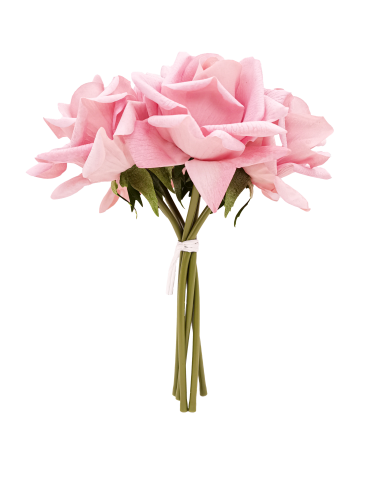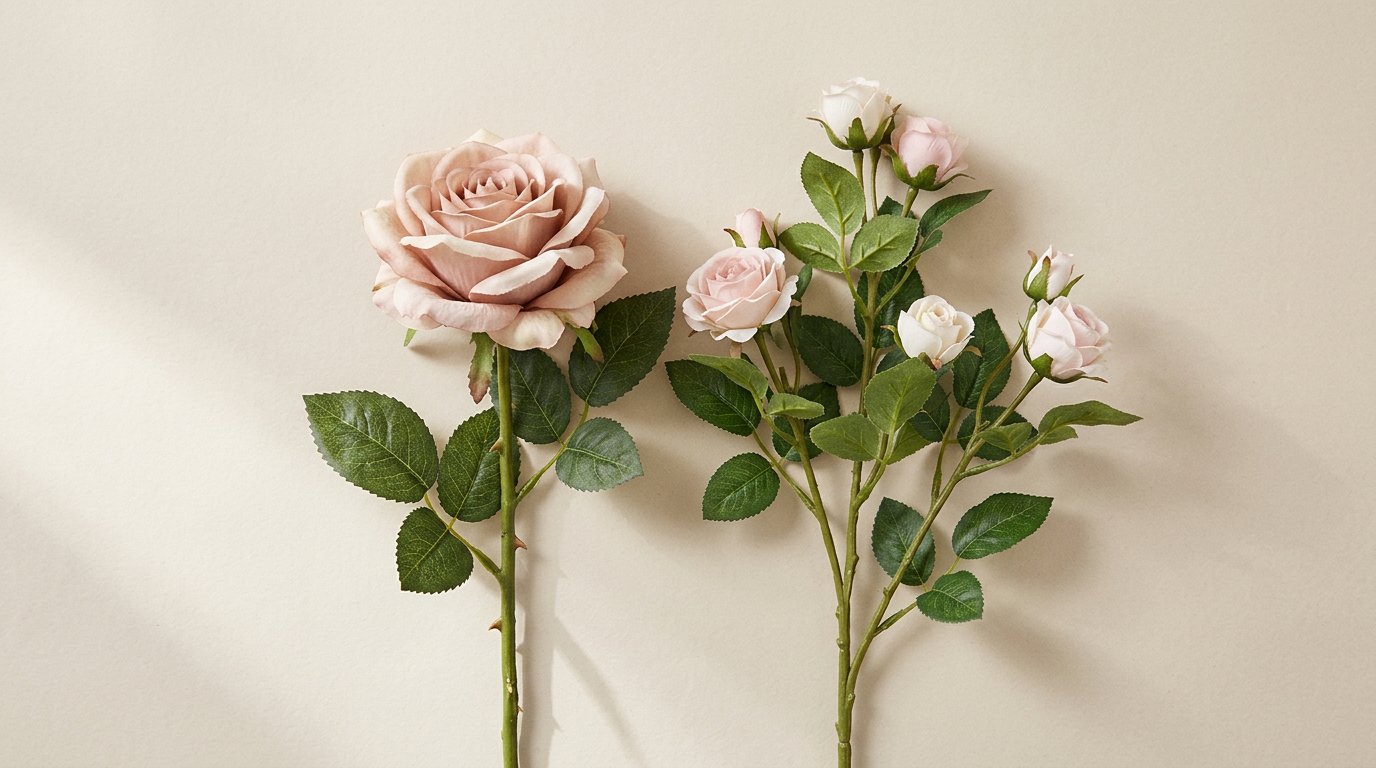
Standard roses give you one focal bloom per stem at a predictable per-stem price. Spray roses give you several smaller blooms on a single branching stem, so comparing them by stem price is the wrong calculation: divide the carton price by usable blooms and sprays usually win for volume work, while single standard heads still win wherever the eye lands on one flower and stays there. What follows is the arithmetic, the spec language, and the material choice that turn that verdict into a purchase order you can defend.
Key takeaways
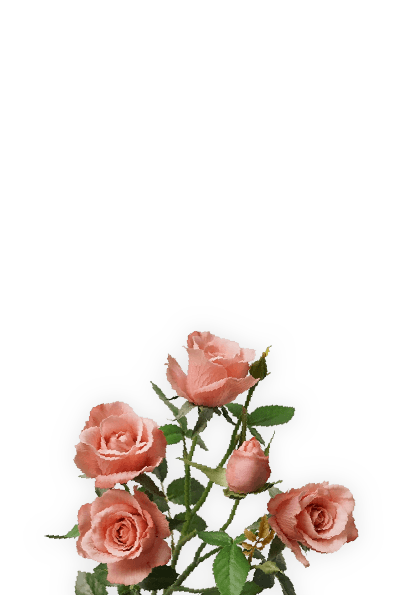
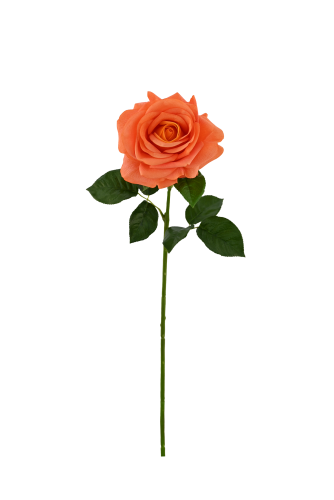
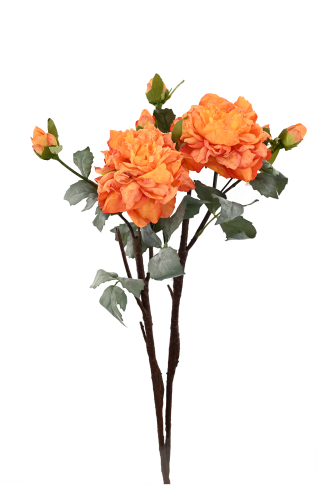
The meaning of spray roses is narrower than the name suggests: a spray rose is a variety that carries a cluster of smaller blooms on one branching stem, while a standard rose carries a single terminal bloom on a straight, unbranched stem. Spray roses are real roses, a genuine botanical class, and the artificial versions replicate a growing habit that already exists in the field rather than inventing a decorative trick.
The commercial difference sits one layer lower than the flower. A live grower cannot promise five or six open blooms on every stem they cut, because weather, variety and harvest timing set the count. A factory casting blooms onto a branch can specify it, because every head is placed, coated and wired to a pattern. That shifts the buyer's job from hoping to stating a number on a document.
Petal count gives you the first quality signal. Real Touch rose heads typically contain 18 to 40 petals depending on the variety, and that range applies to a small spray bloom as much as to a large single head. A spray built with 18 petals and a standard built with 18 petals are the same flower at two scales; a spray built with 18 petals standing next to a competitor's 30 is a cheaper product wearing the same category name.
Hold two ideas at once for the rest of this piece. A spray stem looks expensive beside a single head until you divide by bloom count, and it looks cheap until you count the blooms you cannot use. Most sourcing mistakes come from running only one of those two sums.
Colour matching across very large stem counts is a separate problem, and sourcing 1,000+ stems without colour inconsistency headaches handles it properly for wedding-scale orders.

Ask two suppliers for the head size of the same spray and you will often get two numbers that are not measuring the same thing. One measures across the bud base, the other across the opened outer petals, and the second can be substantially larger. Until the method is fixed, no comparison means anything.
| Specification | Standard rose | Spray rose | Garden spray |
|---|---|---|---|
| Blooms per stem | 1 | 5 to 7 smaller blooms | Ruffled cluster, rosette form |
| Head diameter | Largest of the three | Smaller per bloom | Broad, irregular, densely petalled |
| Petal count | Up to 60 fresh; 18 to 40 artificial | Around 25 fresh; 18 to 40 artificial | Highest density of the three |
| Stem caliper | Thicker; one load path | Thinner; must carry a cluster | Usually heavier to carry petal mass |
| Openness at arrival | Ships closed, opens over days | Mixed stage cluster; strip the tight ones | Packs tight; ruffled petals crush easily |
| Branch support | Not applicable | Internal wire or heavier gauge | Wired; more mass per bloom |
| Typical design role | Focal point and structural line | Volume, texture, gap filling | Feature texture at close range |
Measure across the widest span of the opened outer petals, never across the bud base, and record on the spec whether the figure refers to a closed or an open head. The two differ by a wide margin, and a supplier will quote whichever number is larger unless you tell them which one you want.
Fresh trade descriptions put a spray bloom near 25 petals against up to 60 on a standard, which is why sprays read as lighter and more open. Artificial heads sit in the 18 to 40 range depending on variety, so petal count belongs on the sample sheet rather than on your assumption from a category name. Count one head per variety with a pen and a notepad, and write the figure beside the variety name.
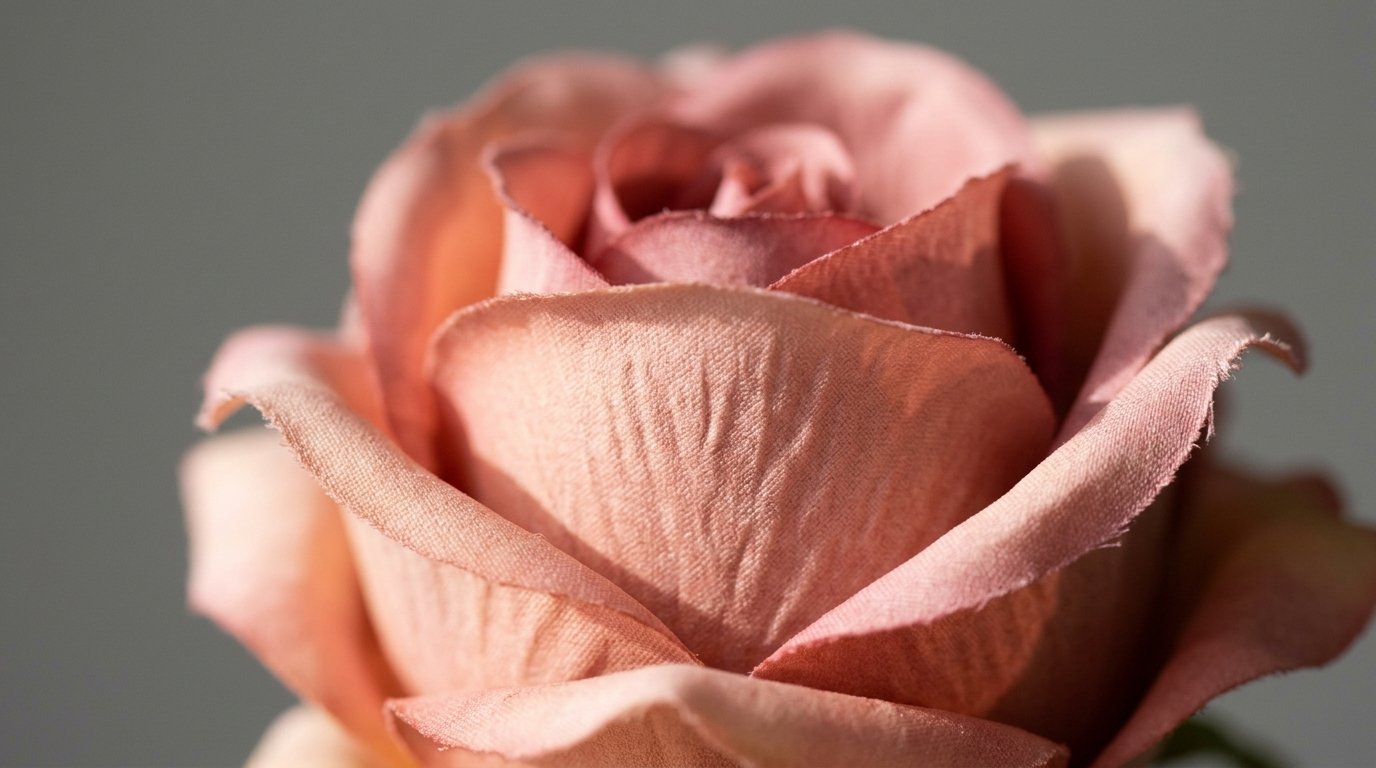
Real Touch technology coats artificial petals in a thin layer of polyurethane, sometimes blended with latex. That coating is 0.3 to 0.8 mm thick and sits in a Shore A hardness band of 15 to 30, which gives each petal genuine mass. On a spray, five to seven of those blooms hang off a branch thinner than the stem that would carry one large head, so the question worth asking is whether the branch is internally wired or built on a heavier gauge. A top-heavy spray sags in the arrangement, and no amount of correcting in the cooler fixes it.
Botanical scanning at roughly 50 micron resolution is what lets a small bloom hold a readable vein pattern instead of a smooth painted surface. Nobody sees that at three metres. Everybody sees it on a corsage photographed at arm's length.
Per-stem pricing is why two buyers can look at the same quote and reach opposite conclusions. Four steps fix it, and they work on any supplier's numbers because they use your recipe rather than a published benchmark.
Only the fourth number is comparable across standard, spray and garden spray, because the first three measure three different things and none of them is what you are actually buying.
Waste in a carton of sprays comes from three places: undersized or crushed heads, heads lost when you trim the lower branch to fit a low vessel, and the filler blooms that never reach the design because your recipe only needed volume in the middle. That is a method, not a statistic. Plug in your own rejection rate, because a shop that has run the same rose for two seasons knows it better than any published figure.
Take 12 centrepieces at four roses each: 48 blooms. A single-head recipe consumes 48 stems. A spray recipe at three usable blooms per stem consumes 16 stems and delivers the same 48 usable blooms. The stem count in the carton fell by two thirds; the bloom count did not move.
Labour follows the stem count, not the bloom count. Sixteen branch stems need fewer cuts, fewer wire stems and less bench time than 48 single heads, so processing minutes per bloom drop with the stems. Per-stem ordering hides that completely, which is how the quote that looks more expensive per stem ends up the cheaper order to fulfil.
Material premiums are a separate axis, so they appear once, further down, rather than as three slightly different versions of the same ratio here.
Map the two forms onto the formats you actually build and most of the argument resolves itself. Sprays win wherever the job is volume distributed across a surface. Standards win wherever one flower has to hold a position.
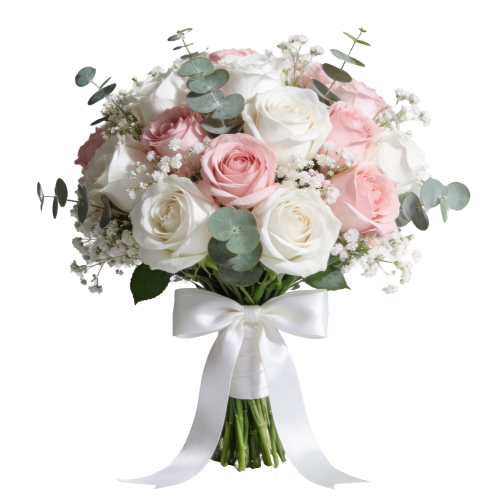
A spray builds a soft, multi-point bouquet fast and suits a loose garden hand-tie, where three or four stems already give the shape a customer is paying for. A tight formal nosegay is the opposite case: the dome silhouette depends on parallel stems and one bloom per position, and a spray cluster breaks it visibly.
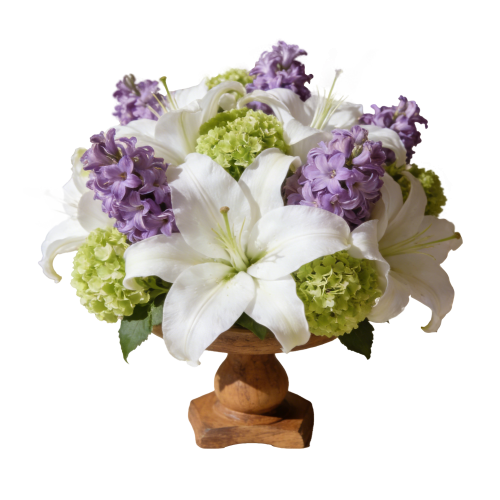
Sprays are the efficient way to fill a low, wide arrangement. Specify a usable-bloom count per table rather than a stem count, because 14 sprays and 18 sprays can produce the same usable count depending on how the cluster is built.
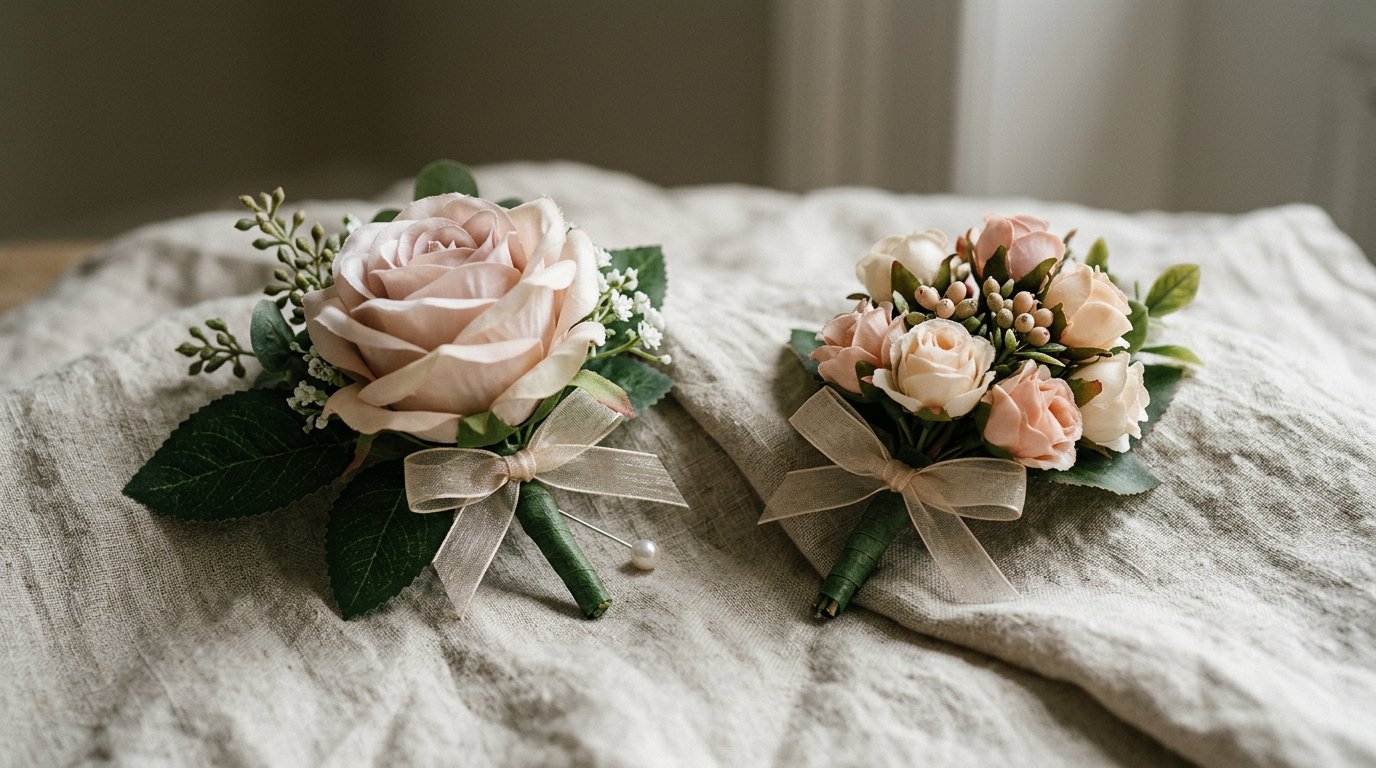
This is the strongest case for sprays in the whole post. One stem yields several correctly sized small blooms for a spray rose corsage, while a standard head has to be disbudded or split with a visible cut. For a spray rose boutonniere, the spray is the correct specification.
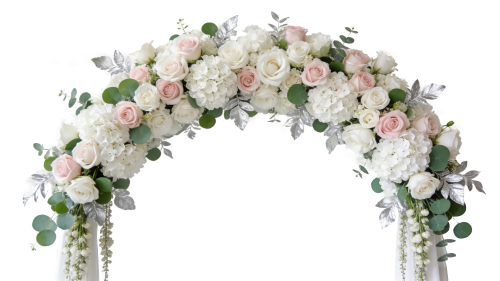
Sprays give branching detail that reads as natural growth along a structure. They cannot build the structural line of a formal arch, which needs single heads on straight stems at even intervals.
Both, by role. The professional habit is to place the focal points first and fill around them, which is the reverse of how most orders get costed.
The split usually follows the ceremony-versus-reception line. Standard heads carry the aisle, where photographs frame one bloom at a time; sprays carry the tables, where the camera sits further back and surface coverage matters more than any single flower. The wider trade-offs between permanent and fresh are set out in fake vs real flowers for a wedding.
A hotel chain ordering lobby arrangements across 40 properties specified stem count per SKU down to the filler ratio, and could still reorder matching replacement bouquets two years later. The same discipline applies when the filler is a spray: write the ratio, not just the total.
Garden sprays are the ruffled, rosette-form, many-petalled sprays, distinct from the classic pointed spray. They read as a different flower rather than a better one, and that distinction is worth settling before anyone signs off on the upcharge.
The cost mechanism is physical, not positional. More petals per head means more casting, more assembly and more handling. A more open, irregular form is harder to cast consistently and harder to pack without crushing, so breakage climbs before the carton ever ships. You are paying for petal count and fragility, not for a label.
Garden sprays earn their cost when a guest, diner or photographer will be within arm's length of the bloom. They lose it when the arrangement is read from three metres across a ballroom or from floor level under a tall installation.
Translucency explains why distance matters so much. The translucent base resin in Real Touch PU lets roughly 15 to 25 percent of incoming light pass through before reflecting back, and that is what gives a close-viewed petal its depth. Stand back and the effect dissolves into the silhouette.
The differences you can act on are openness, petal density and price tier. The botanical distinction belongs to growers. Real Touch heads run 18 to 40 petals depending on variety, and the top of that range is where the garden-style look comes from.
One caution: do not mix all three categories inside a single arrangement without a plan. Three levels of openness in one bowl reads as inconsistency rather than variety.
The durability question arrives before every permanent order, and it is usually answered with the word premium. Numbers are more useful.
| Property | Silk | Real Touch PU | Latex and blended |
|---|---|---|---|
| Hand feel | Dry, fabric-like | Cool, slightly tacky, close to cut petal | Softer, rubbery |
| Cost position | Baseline | 20 to 40 percent higher, up to 2 to 2.5 times on complex heads | Between the two, build dependent |
| Indoor life | 3 to 5 solid years | 5 to 8 years, no visible degradation | Varies; ask for test data |
| Near glass and daylight | Fades in 12 to 18 months without UV coating | Colour shift under 5 percent at year 7 | Varies by formulation |
| Outdoors, untreated | Not recommended | Noticeable yellowing in 8 to 14 months | Not recommended |
| Outdoors, stabilised | Limited | Fade at 2 to 4 years; topcoat with HALS pushes past 5 | Ask for weathering data |
| Temperature range | Undisclosed on most quotes | -20°C to +60°C | Check per SKU |
| Best use | Volume work on a budget | Permanent installations, close viewing | Specialty textures |
Test those rows on your own light instead of taking them as a promise. Pull two heads from the same lot, keep one in a dark drawer as a control, and stand the other where the arrangement will actually sit. Compare them side by side at the end of the season, then ask the supplier which lamp type the colour-shift figure was measured under, because fluorescent, LED and window daylight load a coating in different ways.
Near a south-facing window or in a sun-drenched lobby, ordinary silk shows noticeable fading within 12 to 18 months unless it carries a UV-treated coating. That is the most common surprise in hotel work, and it is why the specification has to name the location, not just the flower.
The coating decides the answer, so name the coating in the spec rather than the material. In accelerated weathering tests to ASTM G154, standard polyester silk shows a measurable colour shift of Delta E 3 after roughly 300 hours of UV exposure, while UV-stabilised PU with HALS additives can reach 1,800+ hours. That is what stabilisation buys.
Silk per-stem costs in bulk can run 30 to 50 percent below PU equivalents, and the PU premium is reported from 20 to 40 percent up to roughly 2 to 2.5 times the silk cost depending on head build and variety. Two knobs move you across that spread: how many petals the head carries, and how much of the structure is cast rather than fabricated. A 40-petal Real Touch head sits near the top, an 18-petal blended spray near the bottom.
Commercial outcomes matter more than chemistry. A European hotel supply distributor switched its entire orchid and rose line from silk to PU after guest feedback; the upgrade cost roughly 25 percent more per arrangement, and reorder rate from hotel clients rose by more than 40 percent the following year.
For glazed atriums, conservatories or unheated function rooms, add the temperature figure to the spec: coated PU petals are stable from -20°C to +60°C. The Real Touch technology behind lifelike artificial petals covers the coating process itself.
Everything above is worthless if the order document says twelve bunches of spray roses and nothing else. Three specified numbers survive a factory change, a variety substitution or a new account manager. One vague description does not.
Rejection, rework or price adjustment, decided before the goods ship rather than argued at arrival. A tolerance band with no consequence attached is decoration.
Name the varieties approved as equivalents. Require written notice before any swap. Treat a change in bloom count or head diameter as a new approval rather than a courtesy. Suppliers substitute honestly and still ruin an event, because the substitute passed their own test, not yours.
State the colour reference. On custom work, ask for the full colour range available for that variety (artificialflowerplant offers up to 30+ colour options for customization) so you are choosing from a list instead of accepting what ships. Then ask how dye lots are tracked across a multi-carton order, because the split lot is what breaks next season's reorder.
Acid-free tissue and BHT-free packaging for white and pastel SKUs, and cartons of delicate white florals stacked no more than four high. Both clauses exist because a ruffled head that arrives flat cannot be rescued.
The approved sample becomes the reference against which arrival is measured, so its label carries the spec numbers, not just a photograph. Bag it, date it, keep it.
A downgraded shipment rarely looks wrong. It looks like a rose. Ten minutes with a tape measure and a carton knife catches it.
The second order is approved by a different person more often than anyone admits, which is why the check has to be written rather than remembered.
Three decisions, made once and written down, end the per-event argument about which rose to order.
Once those numbers exist, permanent versus fresh becomes arithmetic instead of taste. Permanent wins where a venue refills the same arrangement on a fixed cycle for years, in a space where daylight is controlled, and the replacement interval of a fresh spray is what you are really comparing against. The practical version of that calculation is covered in how hotels and resorts cut maintenance costs with artificial installations.
For buyers who need a range to specify against, artificialflowerplant works with 5,000+ varieties across silk, latex, PU and blended fabrics, offers up to 30+ colour options on custom work, brings 15 years in artificial plants, runs a monthly production capacity of 300,000+ units and supplies more than 50 countries. Read that as a shelf to write specs from, not as a reason to abandon a supplier who already works for you.
The next step is small. Pull one existing recipe, run the cost-per-usable-bloom calculation on the standard and the spray version of the same rose, and let the numbers decide before next season's order goes out.

Artificial spray roses outlast fresh ones by years. Real Touch PU sprays hold indoors for 5 to 8 years with no visible degradation, and colour shift under fluorescent or LED light stays under 5 percent even at year 7. Silk sprays run 3 to 5 years indoors. Sunlight is the variable that breaks either one, so specify UV-stabilised coating for any window-facing position.
Buy standard roses whenever one bloom has to hold a position: the focal point of a centrepiece, the structural line of a formal arch, or a tight hand-tied bridal bouquet where a spray cluster would break the dome silhouette. They also price predictably per stem, which suits small orders where running a bloom-cost comparison is not worth the time.
A standard rose is one large, pointed bloom on a straight stem, up to 60 petals in fresh trade descriptions. A garden rose is a ruffled, rosette-form flower with far higher petal density, and it reads as a different bloom rather than a better one. For buyers the actionable differences are openness, petal density and price tier, not the botanical classification.
 Knowledges
 Knowledges
 Knowledges
 Knowledges
 Knowledges
 Knowledges