The single biggest driver of transit damage in bulk artificial flower shipments isn't rough handling — it's undersized cartons and missing internal support that let petals and stems shift, crush, and deform over thousands of miles. Protecting shape in transit means combining three things: rigid outer packaging, petal-specific cushioning, and stem stabilization that stops movement inside the box. Get those three right and even a 40-foot container of mixed bouquets arrives looking exactly like the sample that got approved.
Here's a mistake buyers make constantly: they worry about broken stems and ignore petals until the container's already opened. Petals fail first because they're the thinnest, most exposed part of the product — and they're the part most sensitive to compression, humidity, and vibration over a 20-30 day ocean transit.
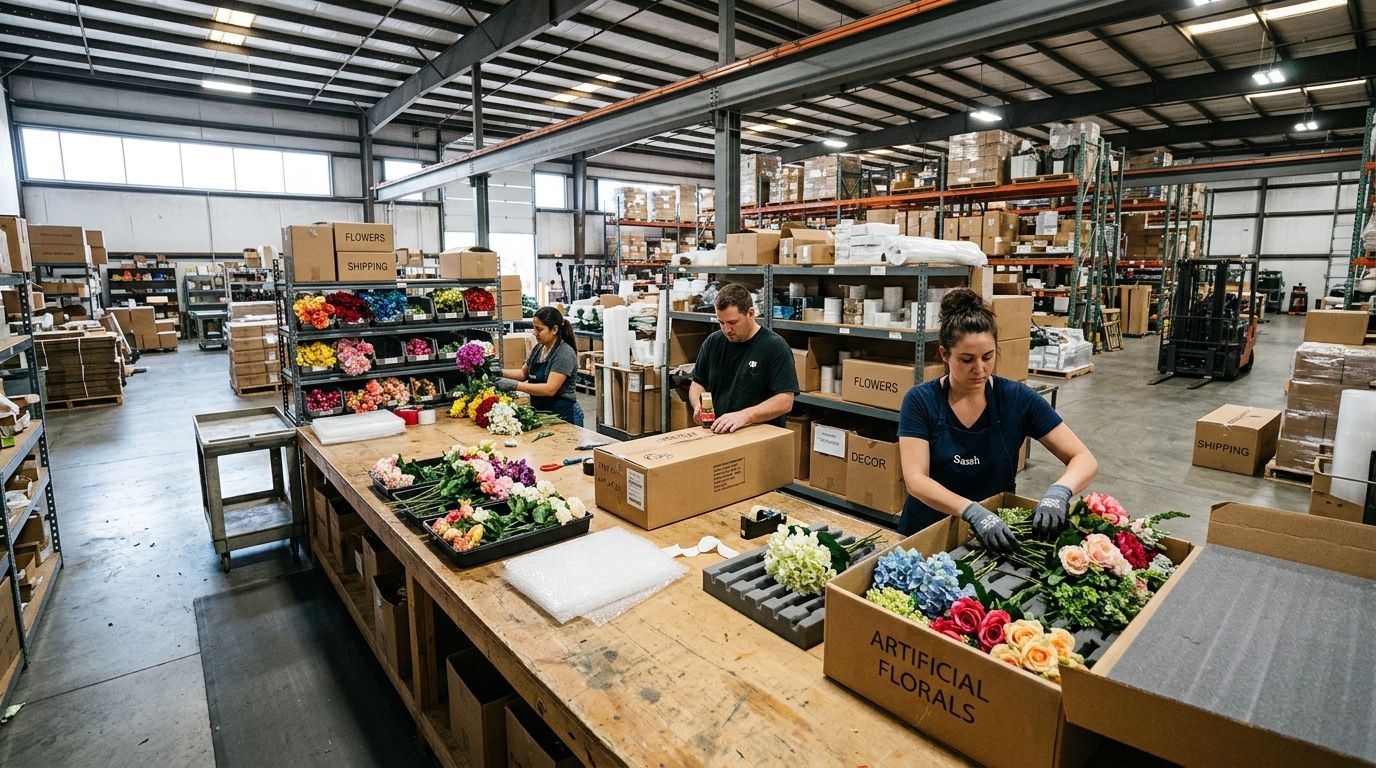
Silk and 'Real Touch' petals in particular hold a molded curl or ruffle shape that's easy to flatten under weight. Once a petal creases, it rarely bounces back — even after steaming. That's why factory packaging isn't just about wrapping product; it's about pre-shaping petals into a compressed but recoverable position before they ever go in a box.
Reputable manufacturers test sample cartons under simulated stacking weight for 72 hours before approving a packaging design. If petals don't spring back to at least 90% of original shape after that window, the packaging gets redesigned — not the flower.

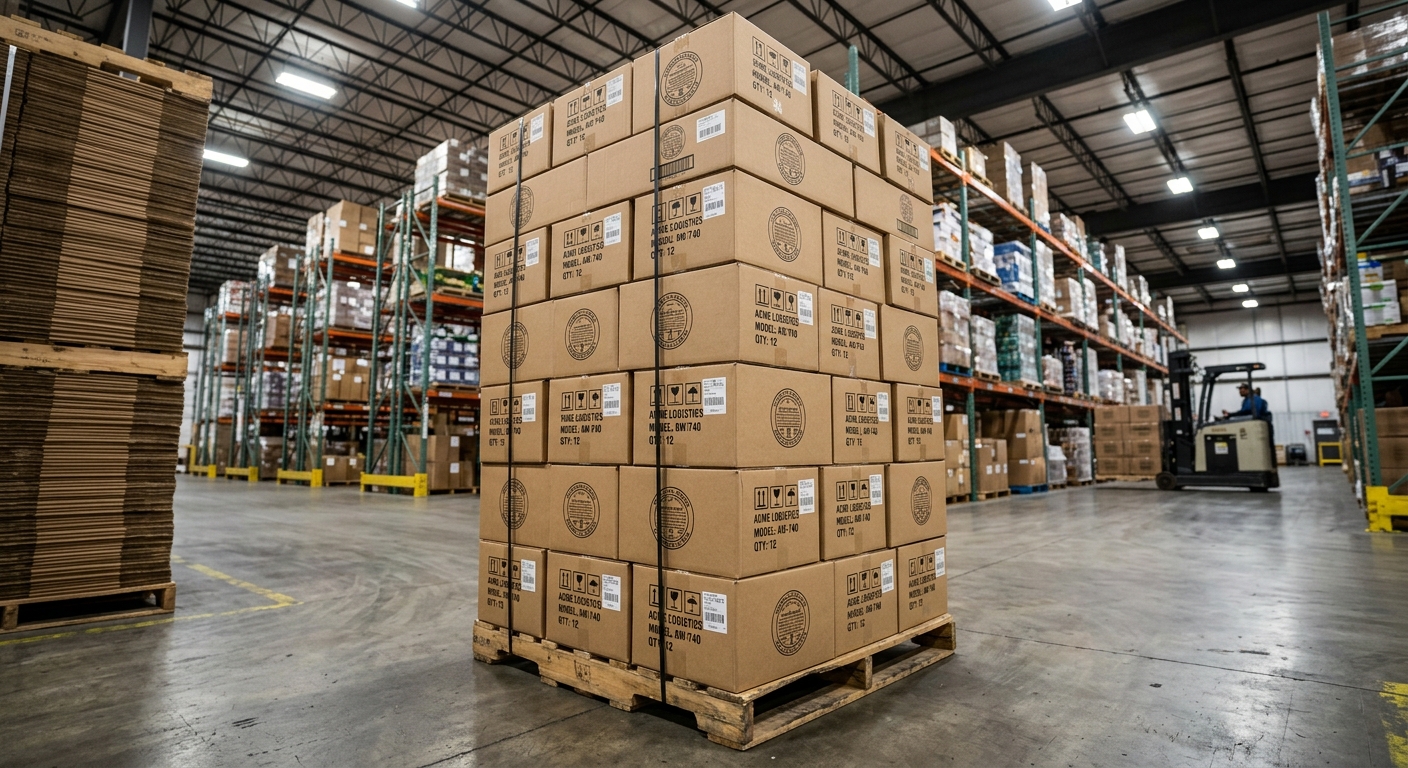
A bigger box is not a safer box. What actually protects a bulk shipment is corrugated wall thickness and flute type — double-wall 5-ply corrugate resists crushing under stacked pallet weight far better than single-wall boxes, even if the single-wall version has more internal padding.
Master cartons should also be sized to leave zero dead space — every inch of empty air inside a box is room for product to shift during the rocking motion of ocean transport. Factories typically design custom carton dimensions per SKU rather than forcing products into generic box sizes, which is one reason working with a true manufacturer instead of a reseller matters when you're placing large orders. If you're still comparing suppliers, our guide on how to choose the best wholesale artificial flowers supplier covers what to ask about packaging capability specifically.
Loose stems inside a box act like tiny hammers during transit — every bump in the road or sway of a container knocks stems against each other, eventually bending wire cores or snapping PU joints. The fix is stem stabilization: securing the stem base, not just cushioning the flower head.
For long-stem sprays, factories band stems in groups of 5-10 at the base, then anchor that bundle into a slotted foam base insert that holds stems upright and separated. This prevents the whipping motion that causes stress fractures at the stem-to-head joint — usually the weakest structural point on any artificial stem.
Wire-core stems (common in outdoor-rated products) hold their bent shape permanently, which is great for display but risky for shipping — a stem bent the wrong way in transit stays bent on arrival. These need individual paper sleeves and horizontal packing rather than vertical bundling.
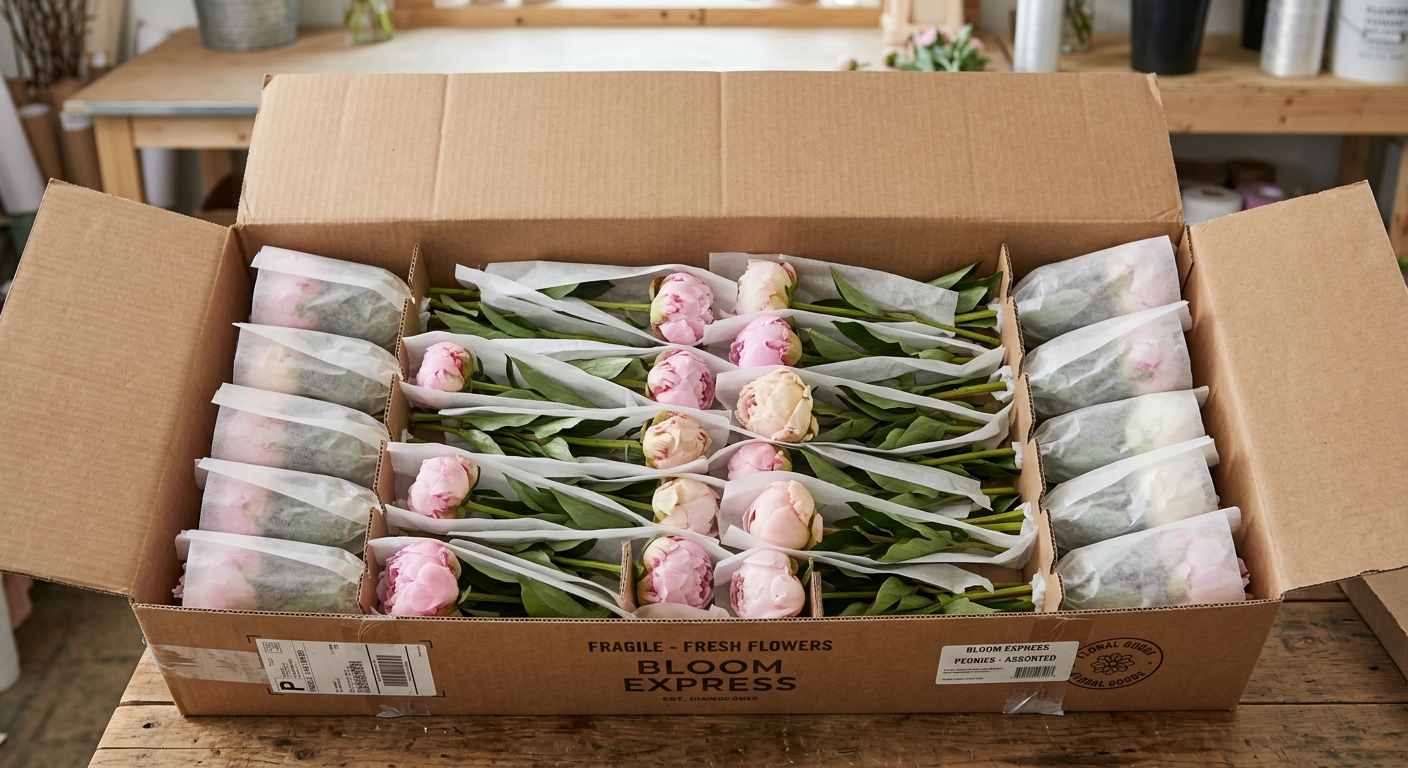
A mid-sized hotel décor distributor once placed an order for 2,000 peony stems for a chain rollout, packed in generic poly bags stacked loosely in standard cartons. Roughly 18% arrived with crushed or permanently creased petals — an unacceptable loss rate for a client-facing installation.
The fix on the reorder: individual petal sleeves for each bloom head, foam-slotted stem bases in groups of 8, and double-wall cartons sized to the exact bouquet diameter with zero dead space. Damage rate on the reorder dropped to under 2%. The packaging cost increased by roughly 12% per unit — a fraction of the cost of the original returns, re-shipping, and delayed installation schedule.
This is the kind of detail that matters for anyone sourcing at volume for commercial installations or hotel rollouts where consistency across hundreds of units is non-negotiable.
Container humidity is the packaging risk nobody talks about until it's a problem. Ocean freight containers can swing between 90°F and condensation-heavy nights, and trapped moisture inside sealed poly bags creates a greenhouse effect that can warp latex components and discolor dyed fabrics over a 30-day voyage.
The solution is counterintuitive: don't seal everything in plastic. Breathable packaging — perforated poly or paper-lined inner wrap — lets moisture escape instead of pooling inside the bag. Desiccant packets are standard for latex-heavy products like stems with latex-coated leaves, which are especially prone to a sticky or tacky surface after prolonged humidity exposure.
UV-stabilized dyes used in outdoor-rated artificial plants hold up fine in transit heat, but standard indoor-grade dyes can bleed slightly if stacked wet-adjacent to condensation points near container walls. Positioning cartons away from container walls during loading is a small detail that prevents a big complaint later.
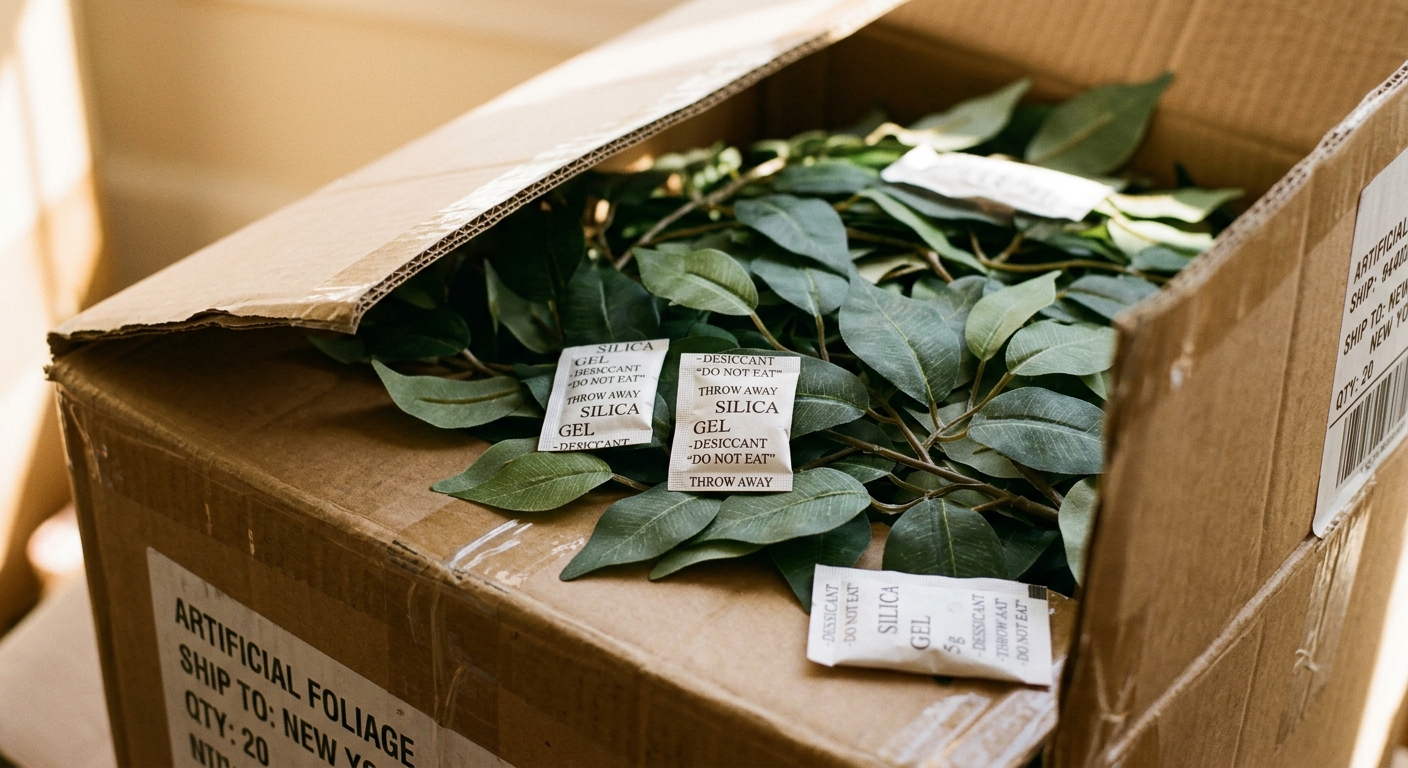
If you're a retail brand ordering for shelf display, your packaging problem is different — you're not just protecting the product, you're protecting brand presentation for the end customer. Retail-ready packaging needs to survive transit AND look untouched when a shopper picks it up off a shelf.
This usually means a two-layer approach: an inner protective sleeve or clamshell that does the structural work, wrapped in an outer branded box or header card that never gets touched during handling. Factories offering OEM/ODM services typically build this into the sampling phase, so packaging structure gets tested alongside the product itself — not bolted on afterward.
Most damage disputes trace back to a packaging spec that was never actually confirmed before production. Before you commit to a large order, get clear answers on these five points:
A factory that hesitates on any of these is probably packing to a generic standard, not your specific product mix. This ties directly into broader sourcing decisions — the same due diligence applies whether you're buying flowers for professional displays or full-scale greenery installations.
 Knowledges
 Knowledges
 Knowledges
 Knowledges
 Knowledges
 Knowledges