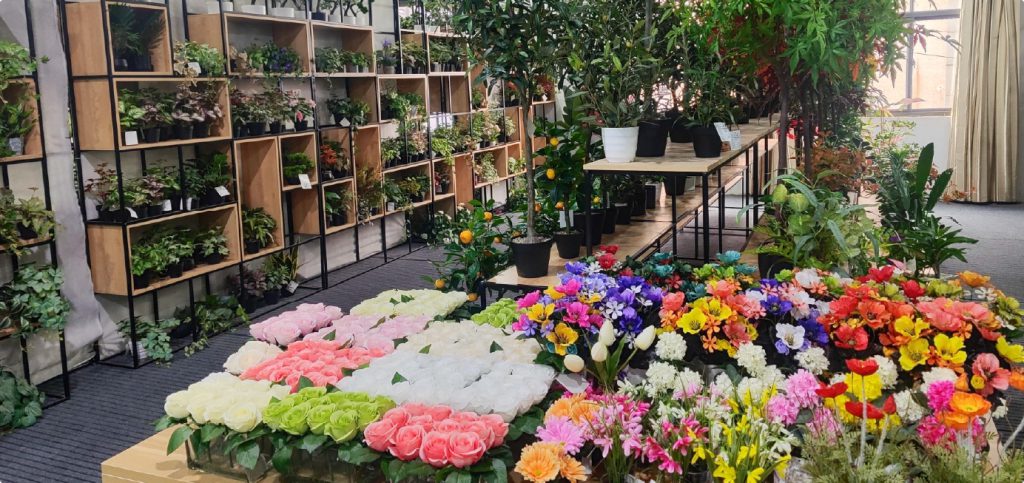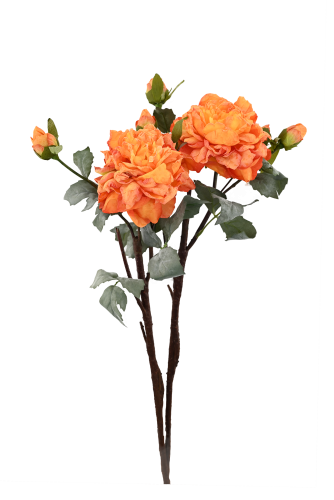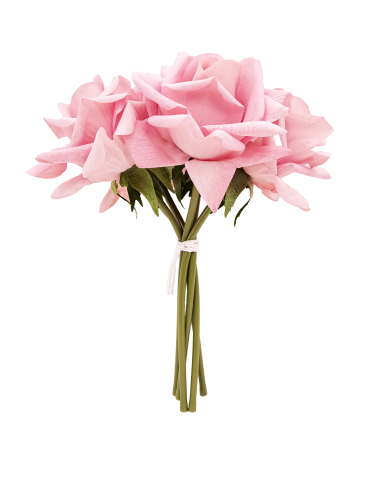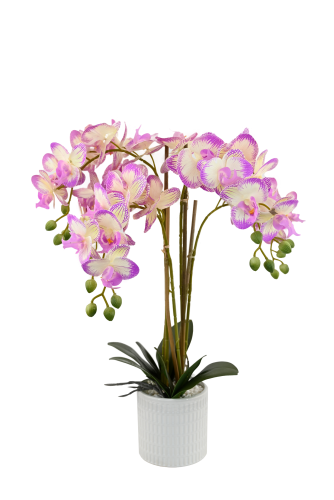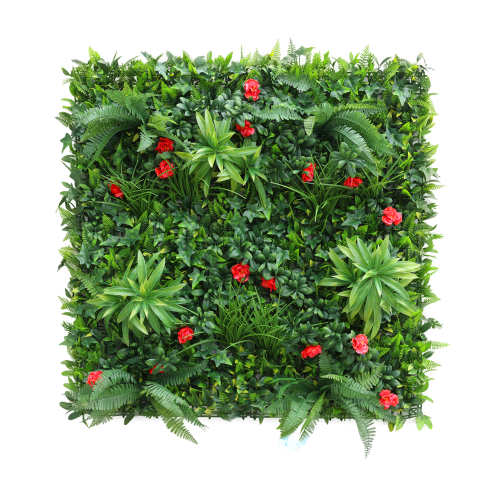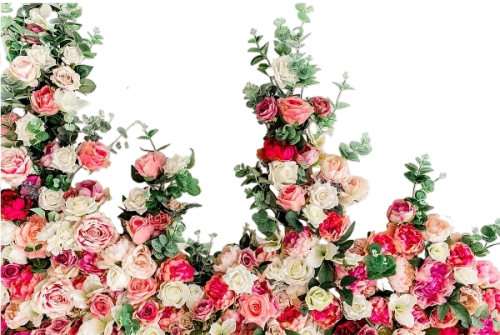
Real Touch technology is a manufacturing process that coats artificial petals in a thin layer of polyurethane (PU) — sometimes blended with latex — to replicate the cool, slightly tacky, ever-so-pliable feel of a living flower. The trick is not just chemistry; it is the combination of pigmented PU resin, micro-textured molds taken from real botanical specimens, and a curing process that locks in petal flexibility. That is why a high-end Real Touch rose can fool both the eye and the fingertip from less than a foot away.
Real Touch is not a single patented material — it is a category of finishes built around polyurethane elastomers. PU is a long-chain polymer that, when cast in thin films, behaves a lot like the cellulose-rich tissue of a fresh petal: cool to the touch, slightly elastic, and able to hold a soft curve without creasing.
The defining properties buyers should know about:
Cheap imitations often use plasticized PVC instead of true PU. PVC feels colder, hardens within 18–24 months, and yellows under UV. If a sample squeaks when you bend it, that is PVC, not Real Touch.
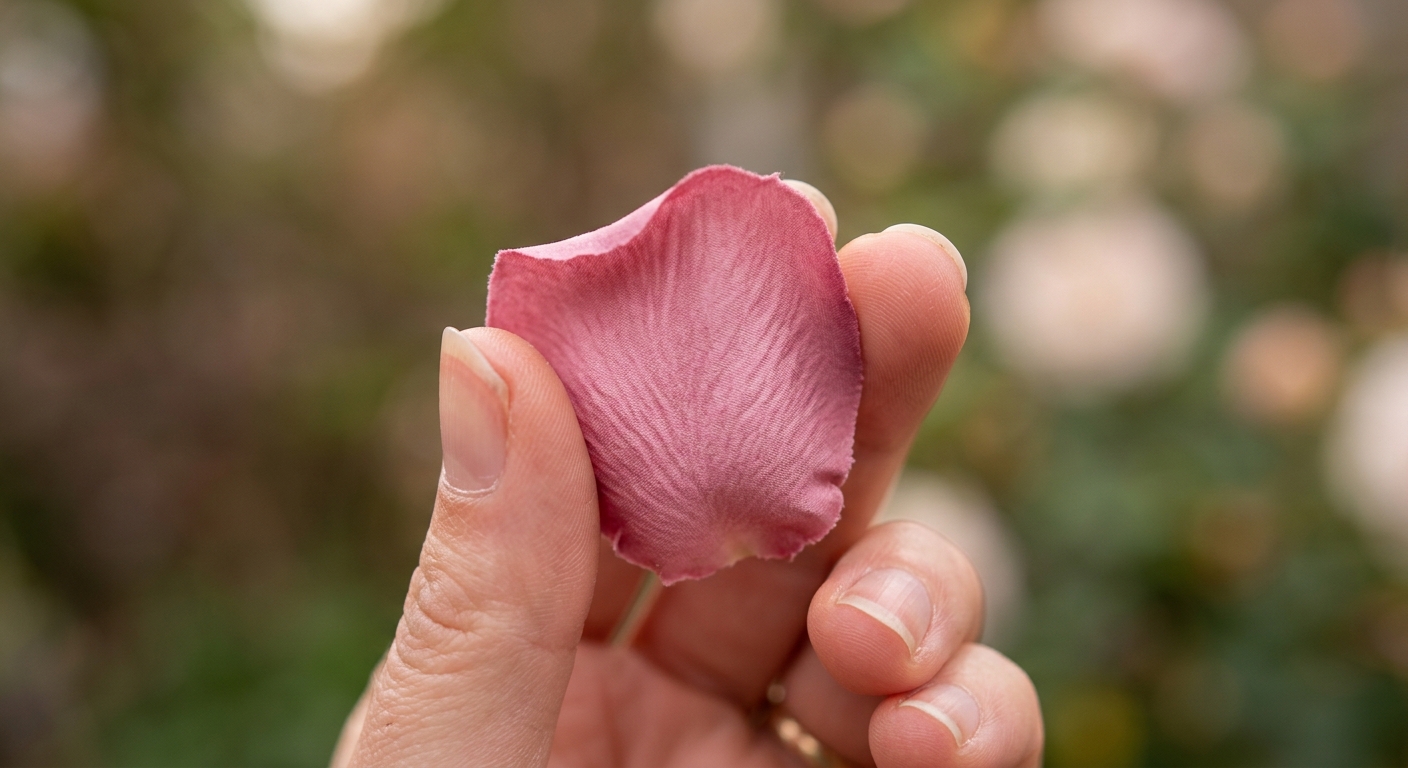
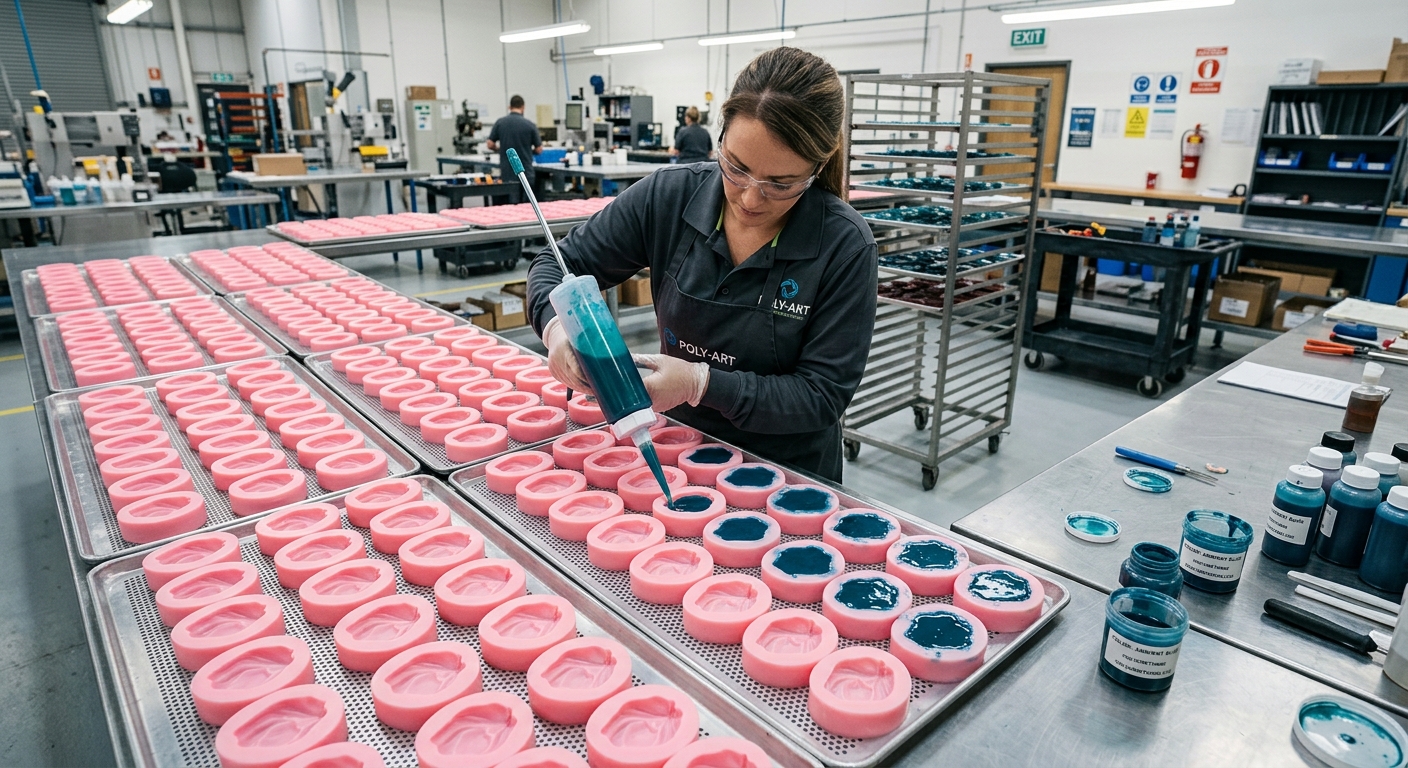
The manufacturing sequence matters more than the marketing claim. A genuine Real Touch petal goes through six steps:
For instance, a hospitality client recently ordered 600 custom peony stems for a hotel lobby refresh. Each peony required 52 individually cast petals across three shades — meaning the production line cast over 31,000 petals for one project. That is the scale Real Touch operates at when done properly.
Touch is half the equation. The other half is how light moves through the petal. Real flowers are subsurface-scattering objects — light enters, bounces around inside the cell walls, and exits softly. Plastic alone cannot do that, which is why old-school artificial flowers look flat in photographs.
Real Touch PU achieves a subsurface-scattering effect through three tricks:
If you want to dive deeper into how visual realism is engineered, our breakdown of how to choose faux flowers that look real up close walks through the visual cues buyers should evaluate at sample stage.

The three dominant materials in the wholesale market each have a sweet spot. Here is the honest take, without the marketing gloss.
Silk is the cheapest per stem and works well for high-turnover retail bouquets where the customer will never inspect a single petal up close. It photographs decently from three feet away but falls apart under macro lenses.
Standard PE (polyethylene) is the workhorse for greenery and outdoor work — boxwood hedges, ficus walls, ivy garlands. It is durable, UV-stable, and cheap. But it feels like plastic because it is plastic.
Real Touch PU costs roughly 2–2.5x what silk does, but it is the only option when the product will be touched, photographed up close, or scrutinized by a luxury client. Wedding planners, five-star hotels, and high-end retail buyers will not accept anything else now.
For mixed-use buyers, see our guide to artificial flower types for professional displays — it maps material choices to application contexts.
Real Touch is not invincible. PU is sensitive to two things: prolonged UV exposure and certain solvents. Here is what 15 years of factory data tell us:
For genuinely outdoor projects, Real Touch is rarely the right choice. PE-based products built for sun and rain perform better — see our overview of realistic artificial outdoor plants. Use Real Touch where it shines: indoors, in arms’ reach, in front of a camera.
Three commercial scenarios where the upcharge pays for itself:
A bridal stylist sourcing 40 bridesmaid bouquets cannot afford a single guest pinching a petal and feeling plastic. Real Touch roses and ranunculus hold up through dressing rooms, photo shoots, and 12-hour reception days. For the broader trade-off between fresh and faux at weddings, our take on fake vs real flowers for weddings covers cost, logistics, and aesthetics in detail.
A boutique hotel chain we work with refreshes its lobby orchid arrangements every 18 months. The previous supplier used PVC stems that cracked at the bend points. After switching to latex-blend Real Touch phalaenopsis, they extended the refresh cycle to 4 years and cut decor labor by roughly 60%.
Boutique home-goods brands selling at $80–$200 per stem need a product that justifies the price tag. Real Touch is the tactile proof that this is not a $9 supermarket bouquet.

Marketing photos lie. Samples do not. Before placing a bulk order, run this five-minute test on any supplier’s Real Touch sample:
Serious buyers also ask for a 72-hour humidity test report and a UV-aging report. Any factory with real R&D capability — including our custom production team — can provide both on request.
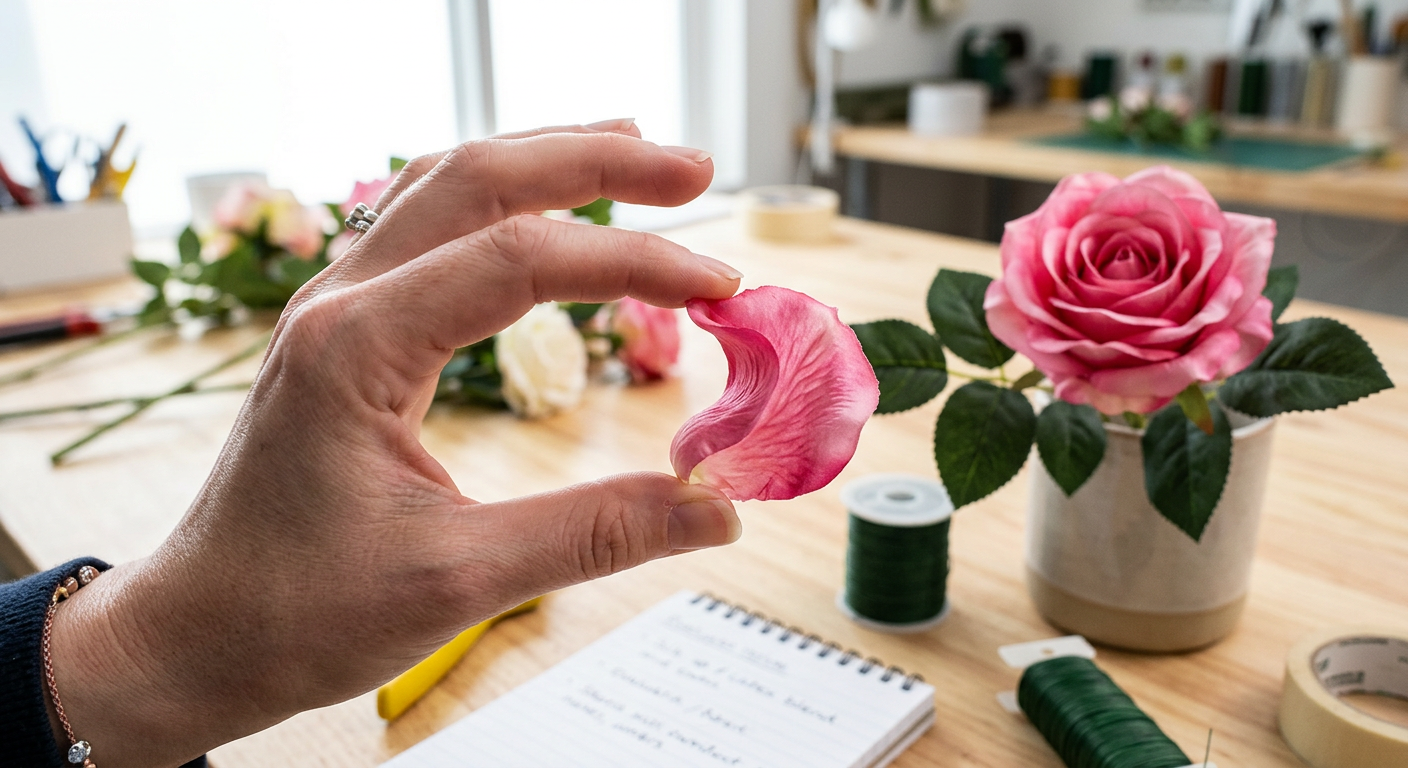
Three developments worth watching this year:
None of these are gimmicks. Each addresses a specific pain point — sustainability sourcing, sensory immersion, or that last 5% of realism that separates good from indistinguishable.
Real Touch is not the right answer for every project, but it is the only answer when realism is the deliverable. Use it indoors, in premium contexts, where the customer’s fingertip will get within reach. Pair it with PE greenery for full installations, and skip it entirely for sun-exposed outdoor work.
If you are sourcing for a wedding launch, a hotel refurbishment, or a retail private-label line and want samples that survive the five-minute stress test above, our team can ship Real Touch swatches with full material specifications and aging reports. Get in touch with your project details, or browse current Real Touch collections to see what is ready to customize.
 Knowledges
 Knowledges
 Knowledges
 Knowledges
 Knowledges
 Knowledges