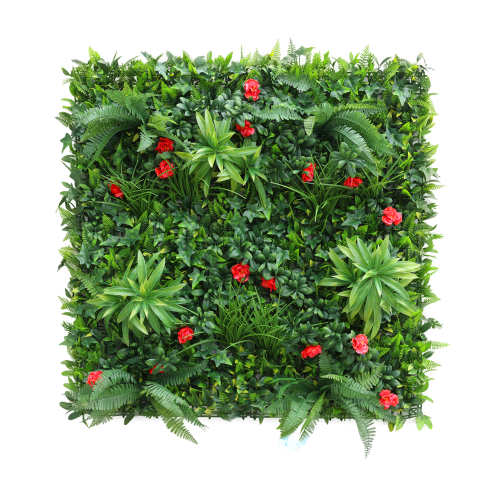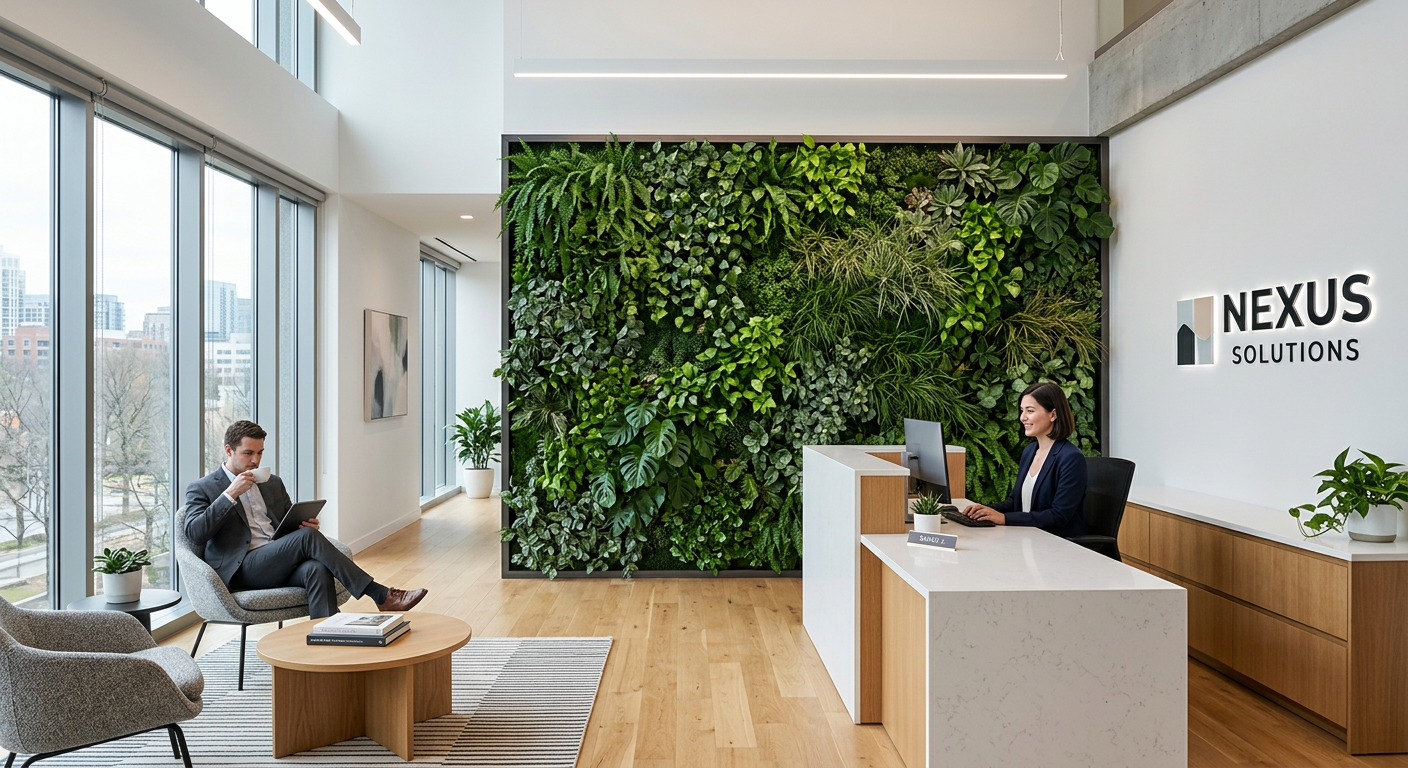
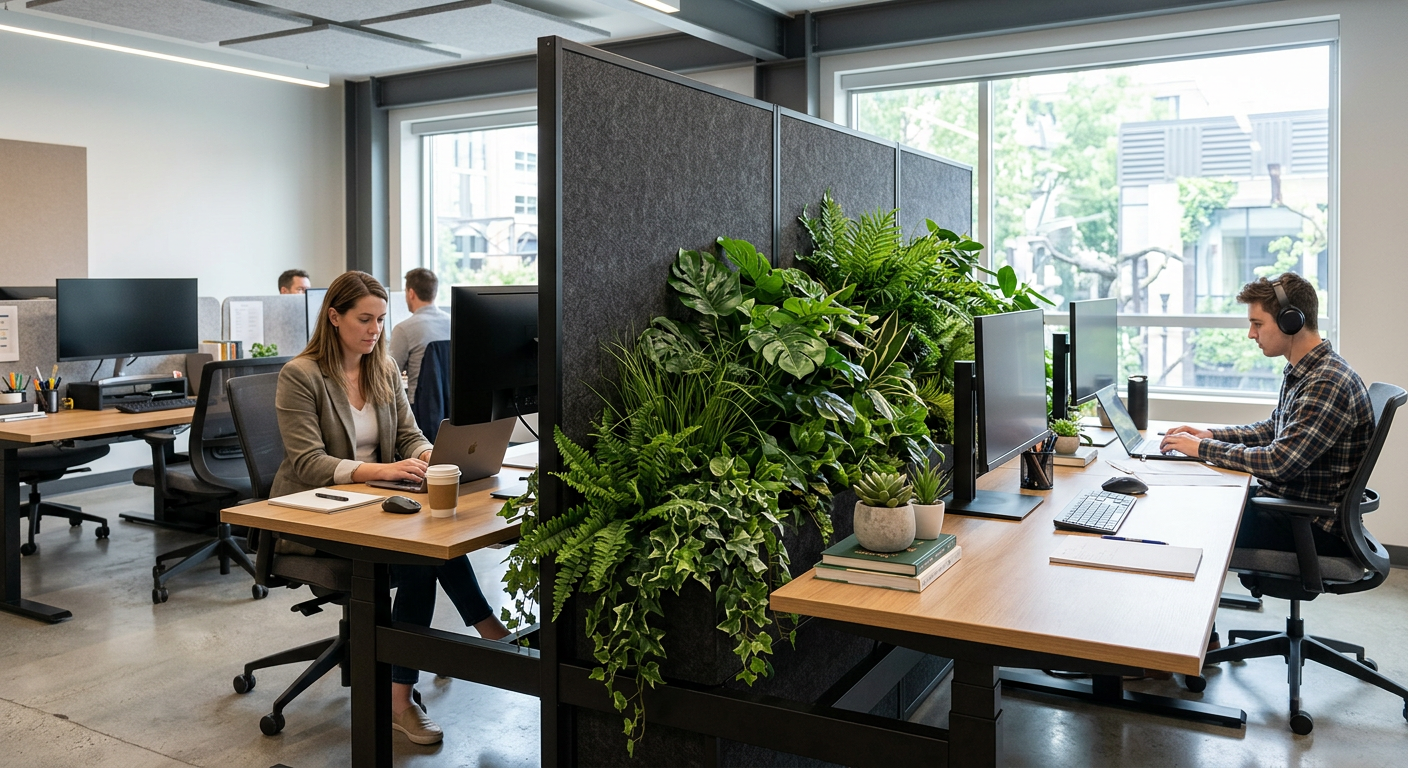
Office design firms use artificial greenery to hit biophilic design targets by specifying Real Touch foliage in atriums, workstation dividers, and reception walls — delivering the visual and psychological benefits of nature without watering schedules, plant replacement cycles, or facilities budget overruns. It's become the default specification for commercial interiors where lighting is inconsistent, maintenance staff is limited, or the client simply wants a guaranteed look for the next five years. The trend isn't about avoiding plants — it's about making biophilic design actually deliverable at scale.
Ask any commercial design firm what's on the client brief now and biophilic elements show up almost every time. Studies tied to workplace wellness — reduced stress, better focus, lower absenteeism — pushed greenery from decorative afterthought to a line item that HR departments actually request. That shift changed the math for designers.
Here's the catch nobody puts in the pitch deck: most office buildings are terrible environments for living plants. North-facing floors, HVAC systems that dry out soil fast, and tenants who move every 3-5 years make long-term plant health nearly impossible to guarantee. A design firm can spec a gorgeous living plant wall for a lobby, but if it's dead in eight months, that's a reputation problem — not just a maintenance one.
So the requirement stayed the same — deliver nature indoors — but the execution had to change.
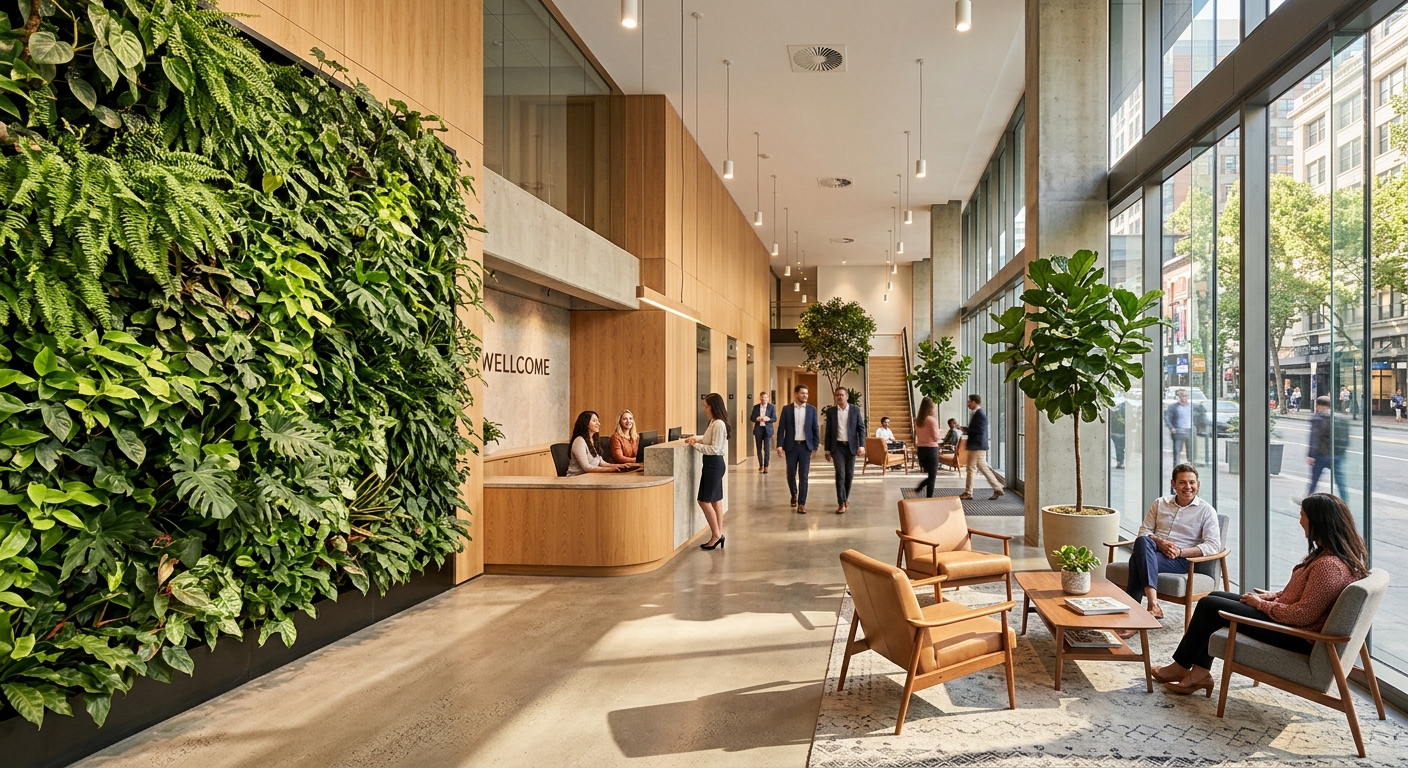
It's not just filler pots in corners anymore. Design firms are building greenery into structural and functional elements of the space.
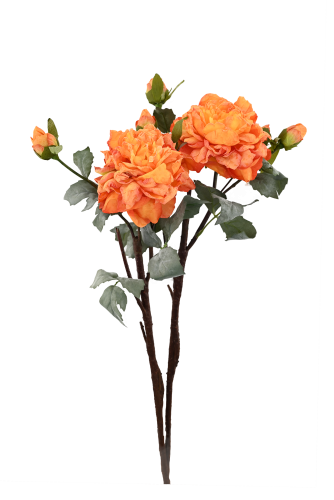
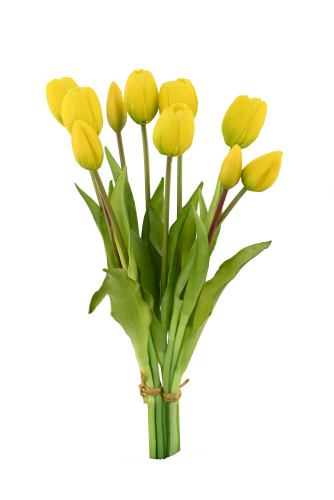
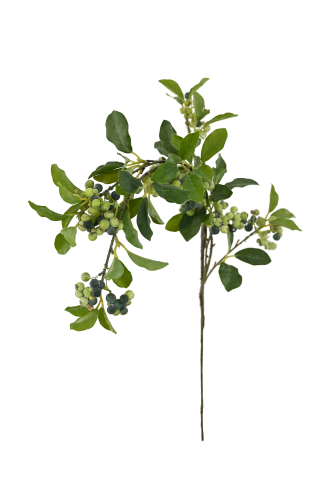
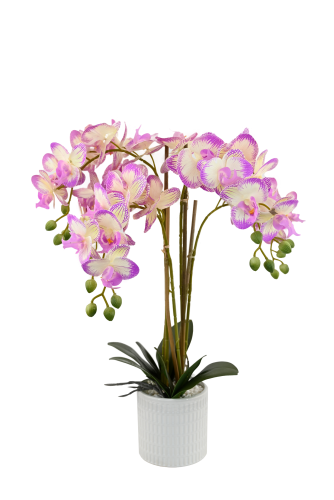
For firms sourcing at scale, understanding types of artificial flowers and how to choose them for professional displays matters — a reception wall and a low-light corridor accent need different material choices entirely.
A mid-size office lobby with 20 living plant installations can run $3,000-$6,000 annually just in maintenance contracts — watering, pruning, pest treatment, and replacement of plants that don't survive the season. Multiply that across a portfolio of commercial buildings and it becomes a real facilities line item, not a rounding error.
Artificial greenery flips that entirely. There's no recurring service contract. No emergency replacement when a plant dies right before a client tour. The only cost after installation is occasional dusting — something covered in simple ways to clean artificial flowers and keep them looking new, usually a quarterly task rather than a weekly one.
A regional design firm outfitting a five-floor corporate headquarters swapped a planned living green wall for Real Touch panels after the building's facilities manager flagged a $40,000 five-year maintenance projection. The artificial version cost roughly the same upfront but had zero ongoing service fees — a number the client's finance team approved almost immediately.
Not all artificial greenery performs the same in commercial lighting. This is where design firms differentiate themselves — knowing which materials hold color and shape under fluorescent light, LED panels, or harsh south-facing sun through glass curtain walls.
Firms that source directly through manufacturers offering custom material and color matching can align foliage tone with a client's brand palette — something off-the-shelf greenery rarely allows.
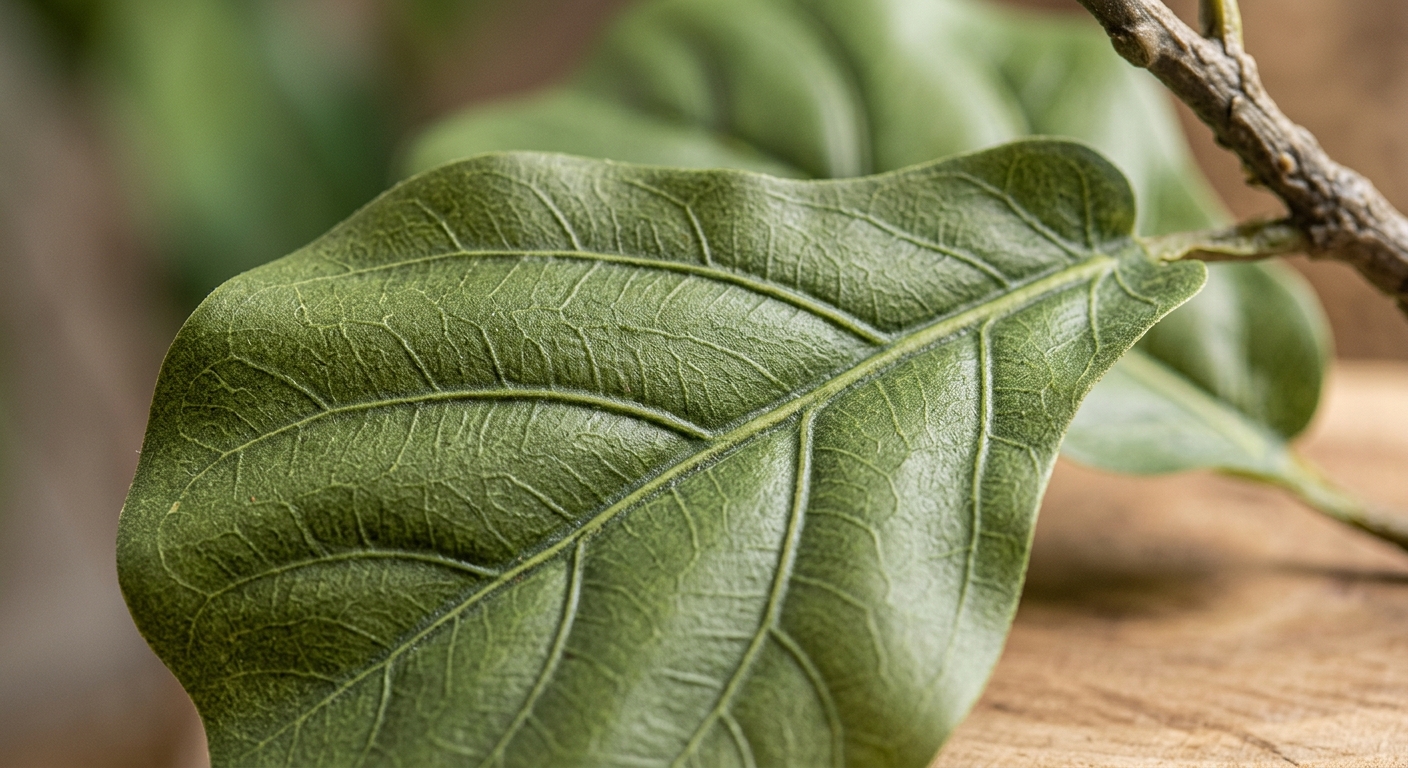
Office greenery takes a different kind of abuse than a home plant ever would. Foot traffic near planters, HVAC vents blasting dry air directly onto foliage, cleaning crews vacuuming around bases nightly — it adds up. A plant that looks great in a showroom can look ragged in a busy lobby within a year if it's the wrong grade.
Design firms working on commercial contracts typically request fire-retardant certification for foliage near exits or in high-occupancy zones, plus fade-resistant materials rated for at least 3-5 years of indoor use under artificial lighting. This is also why flexible MOQ and fast sampling matter — a firm testing a new supplier for a single floor pilot needs to verify durability before committing to a full building rollout.
This one surprises a lot of design firms the first time it comes up in a client meeting: HR and facilities teams increasingly ask about allergen exposure before signing off on a greenery plan. Pollen, mold spores from overwatered soil, and pest treatments used on live plants can be a real issue in enclosed office HVAC systems.
Artificial greenery removes that conversation entirely. There's no soil, no pollen, no risk of a mold outbreak in a planter that got overwatered by a well-meaning employee. Firms working on healthcare-adjacent or wellness-focused offices often reference this directly — the same logic covered in artificial flowers for allergy sufferers, which applies just as much to corporate wellness floors as it does to hotels and retail spaces.
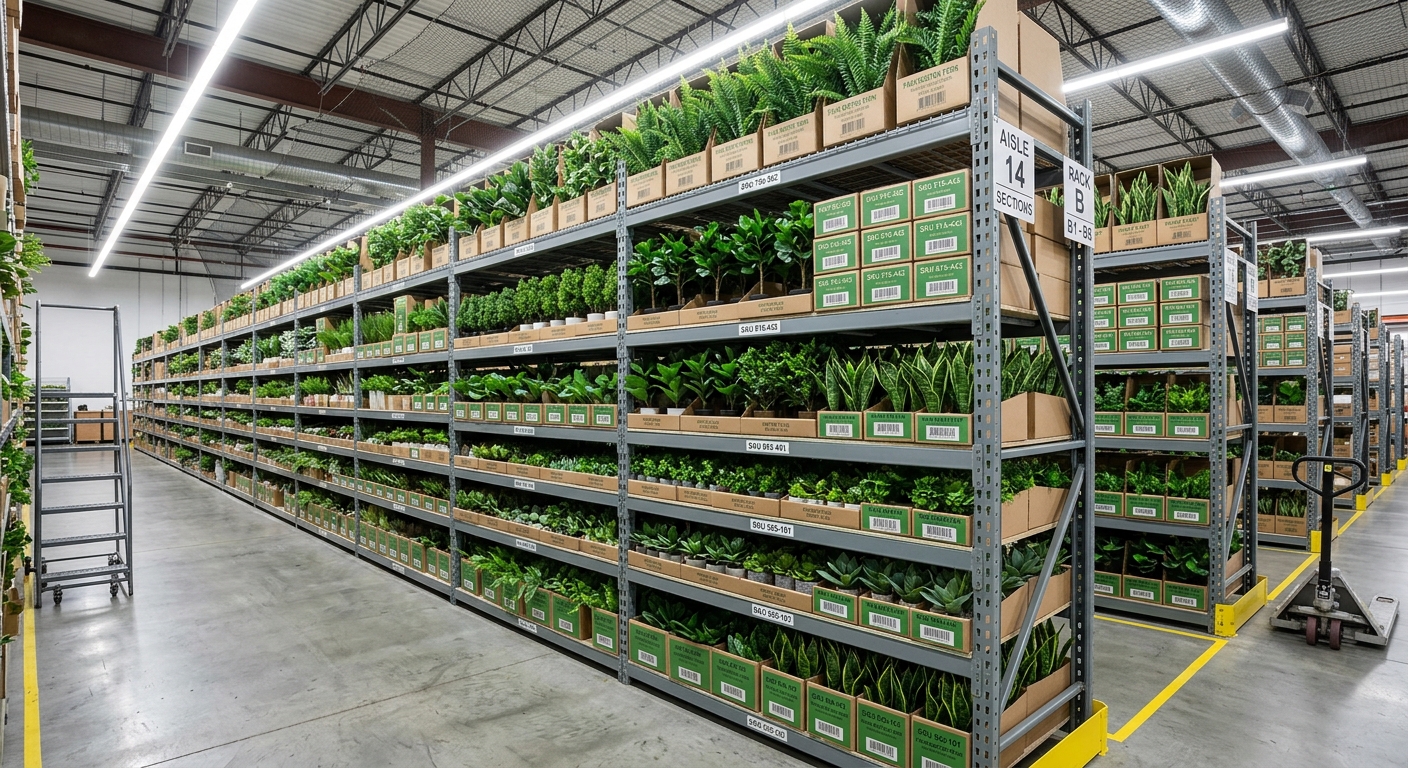
A single office fit-out might need 40 different SKUs — trees, vines, hanging foliage, and flowering accents — all matched in tone and finish across multiple floors. That's a different sourcing problem than a retail store buying a few dozen stems.
This mirrors what wholesale buyers already deal with in other industries — the same consistency issues raised in sourcing 1,000+ stems without color inconsistency headaches apply directly to multi-floor office rollouts.
Good design firms don't go all-or-nothing. Hybrid approaches — real plants in high-light, easily maintained zones near windows, artificial greenery everywhere else — often deliver the best of both without inflating maintenance budgets. A hotel-style approach works well here too, similar to strategies outlined in how hotels and resorts cut maintenance costs with artificial plant installations.
The key is being honest about which zones actually get enough light and care attention to sustain living plants, and which ones are better served by a permanent, guaranteed-looking alternative.
 Tips
Tips
 Tips
Tips
 Tips
Tips
 Tips
Tips
 Tips
Tips
 Tips
Tips