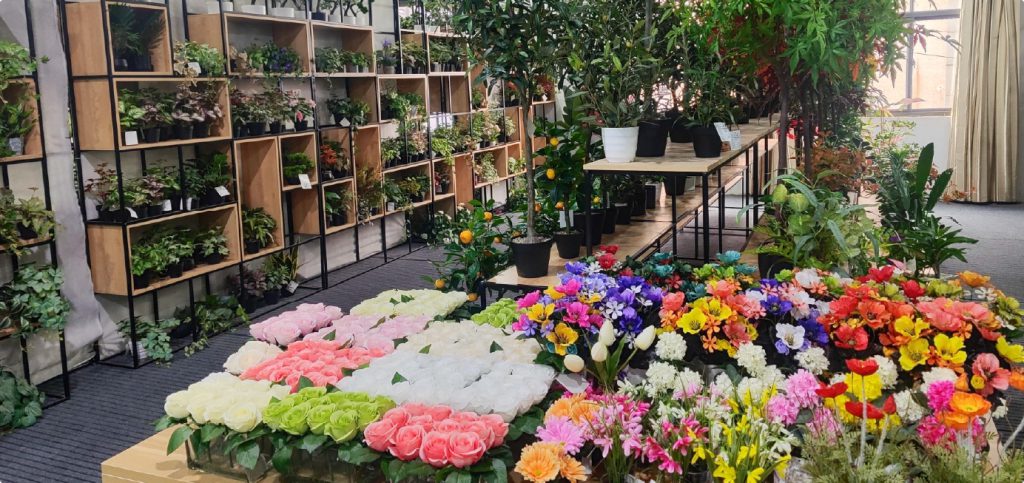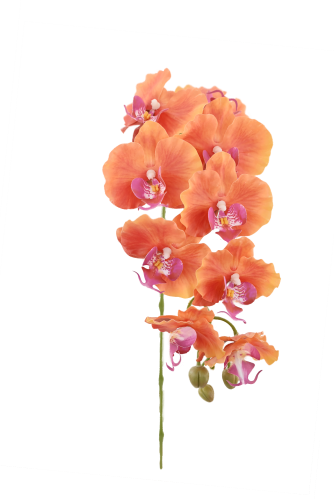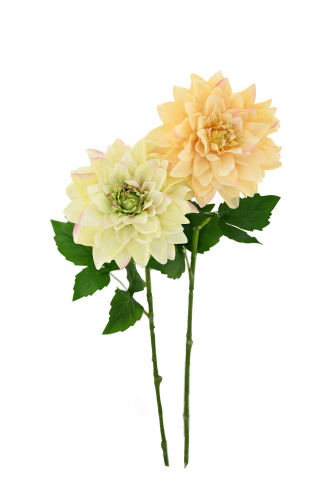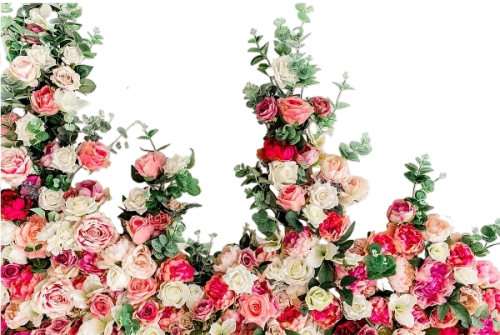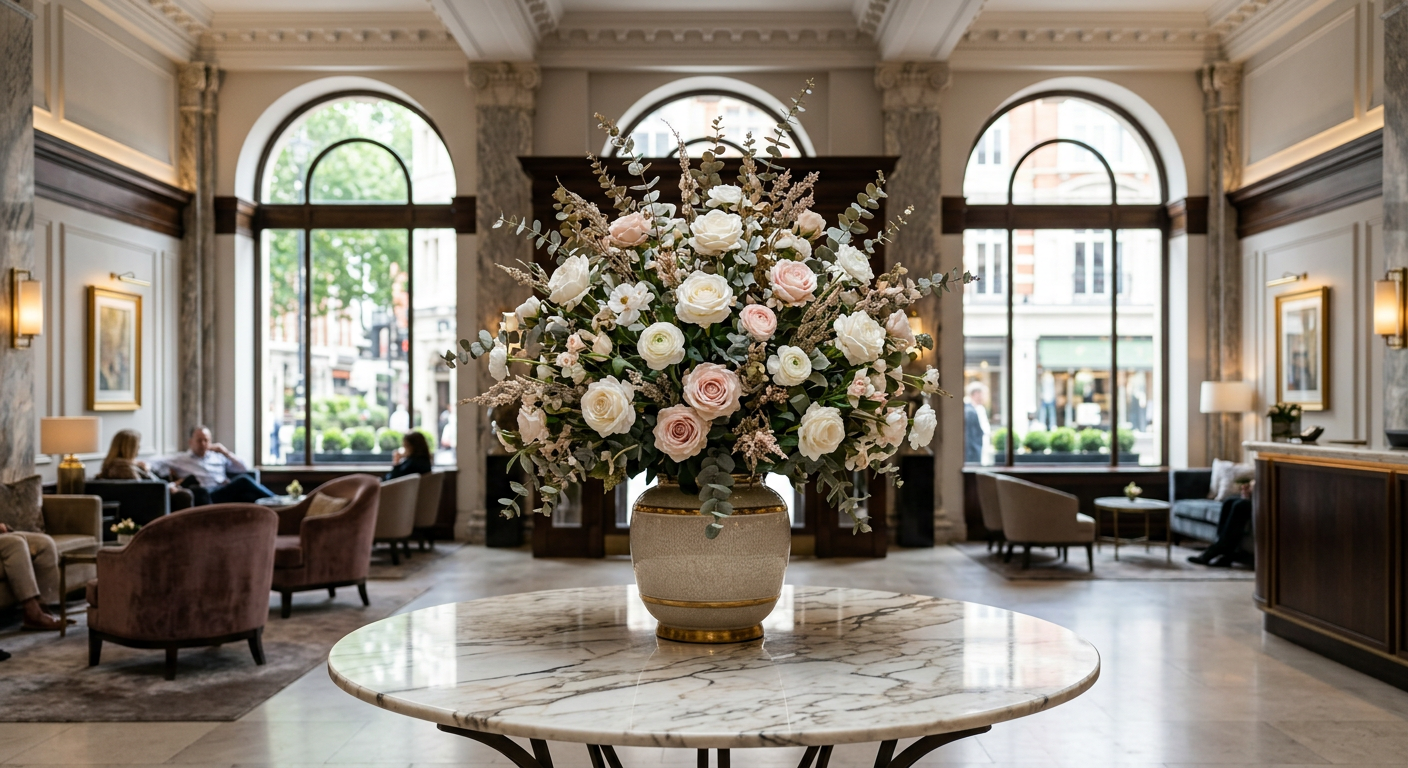
Yes — artificial flowers are one of the most reliable ways to give allergy-sensitive guests, employees, and shoppers a floral experience without the pollen, mold spores, or fragrance triggers that come with fresh blooms. For hotels, offices, and retail spaces, the right faux florals deliver year-round visual impact while removing the top three indoor allergy culprits: airborne pollen, vase-water bacteria, and decomposing plant matter. The key is choosing the right material, certification, and cleaning routine — and that's where most buyers get it wrong.
Roughly one in four adults in developed markets reports seasonal allergic rhinitis, and indoor air complaints are now the #2 reason hotel guests request room changes after noise. For a 200-room property, even a 1% complaint rate tied to lobby florals translates to dozens of negative reviews per year — each one measurably affecting RevPAR.
Offices face a parallel problem. HR teams managing wellness programs are increasingly asked to remove fresh-cut arrangements from reception areas after just one or two employee complaints. Swapping to high-quality artificial florals avoids the awkward middle ground of having no greenery at all, which research consistently links to lower workplace satisfaction scores.
Retail is where the stakes get most concrete: a fragrance- or pollen-sensitive shopper who reacts in-store rarely returns. Faux florals eliminate that risk entirely.

Fresh flowers release three things that artificial flowers do not: pollen grains (15–200 microns, easily inhaled), volatile organic compounds from natural oils, and microbial spores from stem water that's more than 48 hours old. Lilies, chrysanthemums, sunflowers, and baby's breath are the worst offenders — and they're also four of the top ten flowers used in commercial arrangements.
Artificial flowers eliminate all three triggers at the source. But — and this is the part most buyers miss — they can introduce a different set if you choose poorly:
The good news: every one of those is solvable with the right specification at the order stage.
Not every artificial flower is allergy-safe out of the box. Here's how the main materials stack up for sensitive environments.
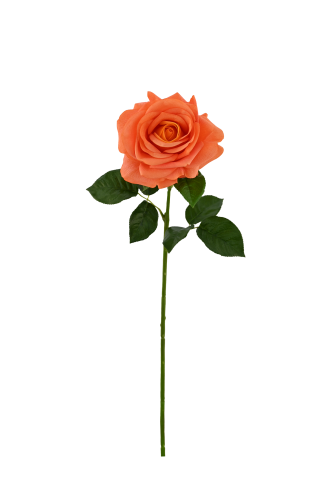
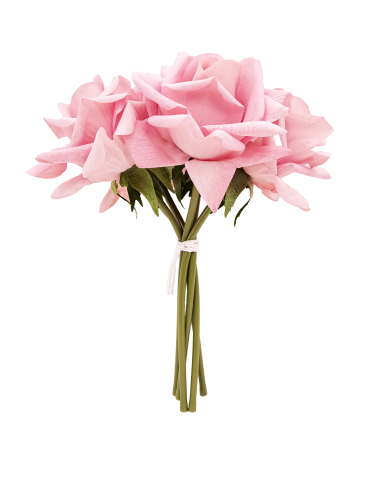
Polyurethane and latex blooms have smooth, non-porous surfaces that wipe clean with a damp microfiber cloth in seconds. Dust has nothing to cling to. For allergy-sensitive applications, this is the material we recommend first. Our Real-Touch product range is built specifically for this use case.
Modern silk-blend petals (typically polyester with a silk finish) hold color beautifully and look the most lifelike from a distance. They do collect more dust than PU, so they belong in environments with monthly cleaning schedules. Learn more about identifying truly realistic faux flowers up close before committing to a large order.
Open-cell foam absorbs moisture and can harbor mold in humid climates. Paper blooms shed micro-fibers. Skip both for hotel and healthcare settings.

Anyone can claim “hypoallergenic.” Fewer can prove it. When you're sourcing for a 500-unit hotel rollout or a national retail chain, ask for these documents up front:
A factory-direct supplier will produce these on request. A trading platform typically cannot. That distinction matters at scale — see our wholesale supplier selection guide for the full vetting checklist.
Hotels have the most to gain. Lobby arrangements, in-room accents, spa areas, and event spaces all benefit from faux florals — and guests with seasonal allergies are a huge underserved segment.
For example, a boutique resort group in the Mediterranean recently switched its 18 properties from weekly fresh-flower deliveries to a custom artificial program. The brief: no pollen, no fragrance, and visual consistency across every location. We produced 4,200 stems in a coordinated palette using PU real-touch roses, ranunculus, and olive branches. Annual floral spend dropped 62%, and post-stay survey complaints about “strong floral smells” went to zero within one quarter.
Hotels exploring this path should also read our breakdown of how hotels use artificial installations to cut maintenance costs — the cost story is even more compelling than the allergy one.
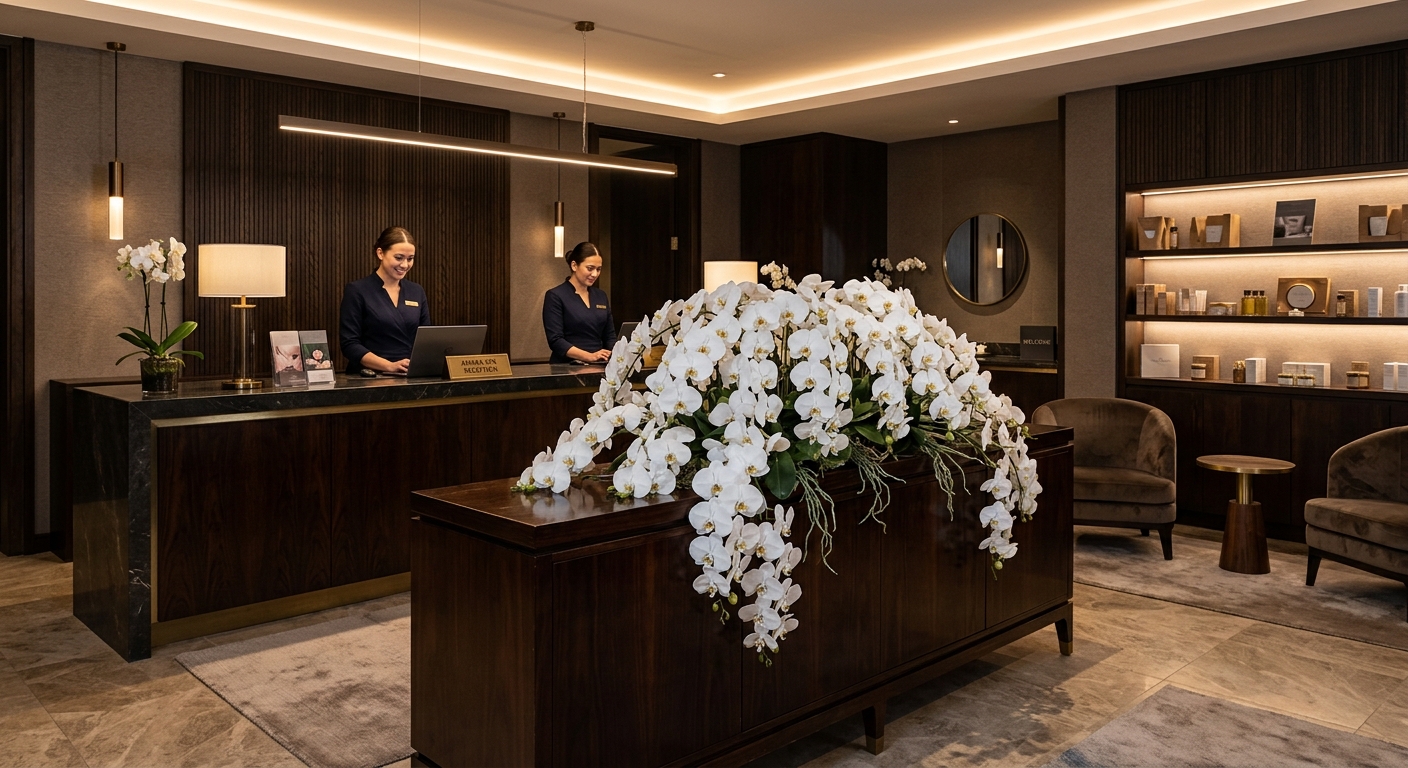
Offices have tighter constraints: enclosed HVAC systems, long occupancy hours, and zero tolerance for anything that triggers sick-building complaints. Faux florals win here for three concrete reasons.
For instance, a financial services firm with 14 floors specified low-VOC certified PU stems for every reception desk and conference room. The procurement team consolidated 14 separate vendors into one OEM contract, locked in pricing for three years, and removed an HR pain point that had generated six allergy-related complaints the previous fiscal year.
If you're planning larger installations, our guide to artificial plant walls for businesses covers the structural side.
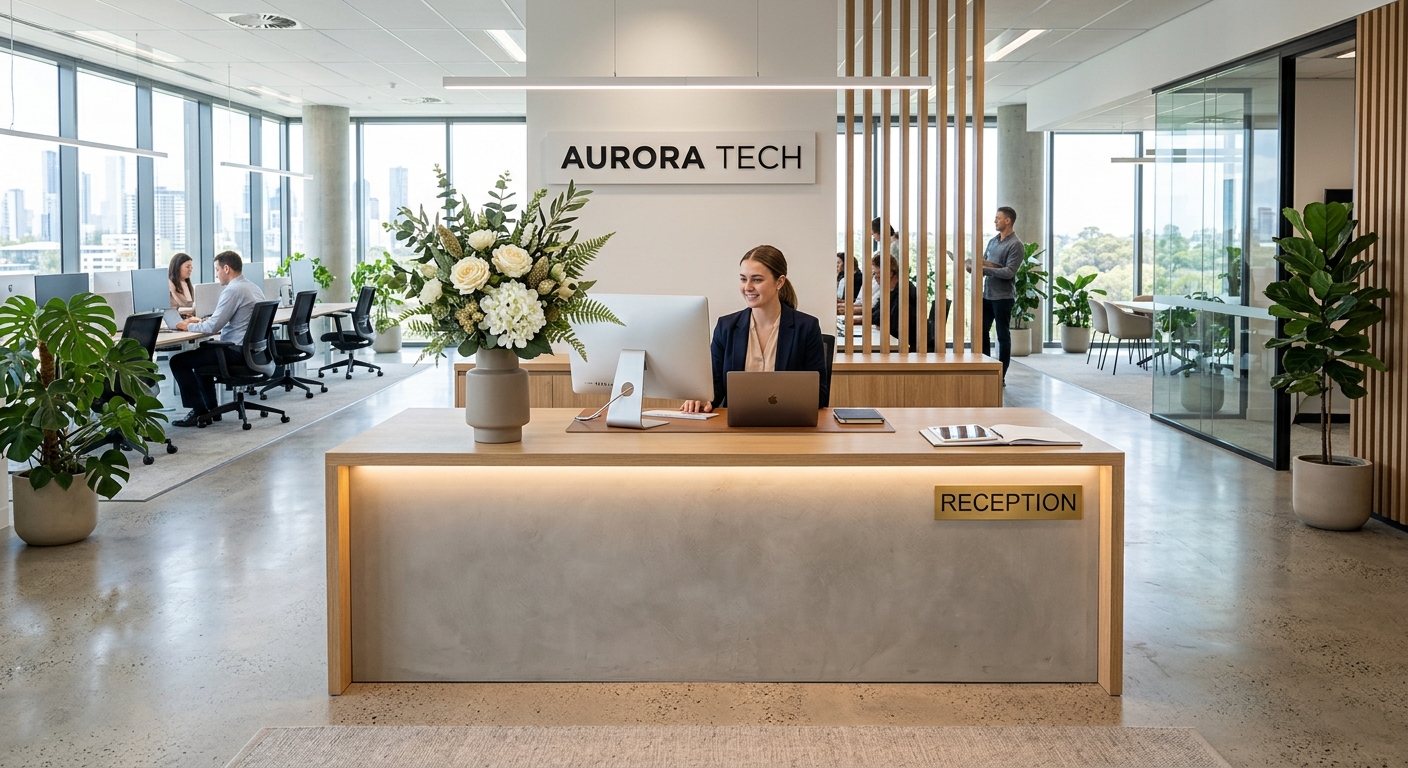
Retail florals do two jobs: signal brand identity and create photographable moments. Both fail the moment a shopper sneezes. The retail buyer's calculation is simple — every fresh-flower display is a recurring weekly expense plus an allergy risk, while a well-made artificial display is a one-time capex that lasts 3–5 selling seasons.
Seasonal flexibility is where artificial really shines. A national homeware chain might rotate Valentine's red roses, spring peonies, summer wildflowers, autumn dahlias, and winter eucalyptus — all without sourcing fresh stock five times a year. With flexible MOQs and fast sampling, seasonal capsules can be developed in 3–4 weeks from concept to ship-ready inventory.
One more retail-specific tip: specify colorfast dyes and UV-resistant coatings if displays sit in direct window light. Fading is the #1 reason retail buyers replace artificial florals before their actual end of life.
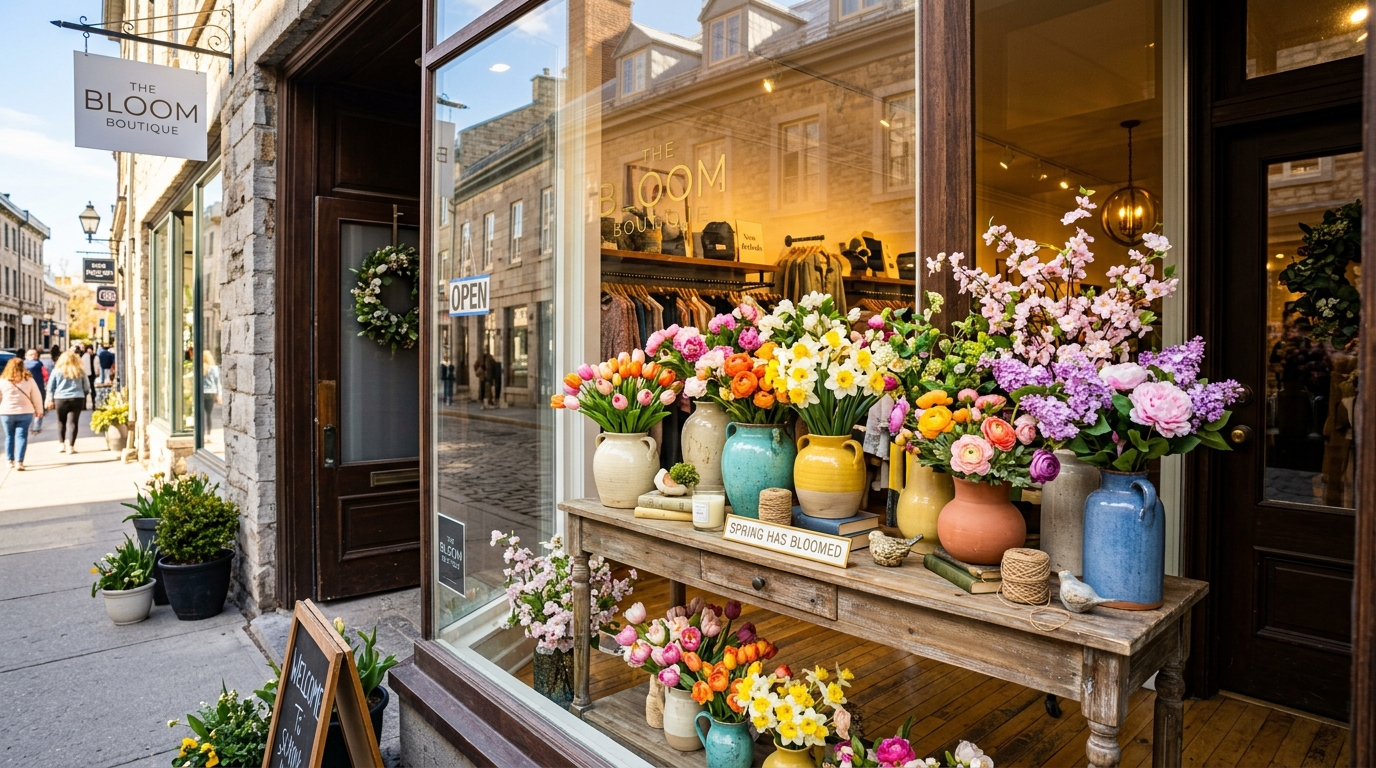
Here's the uncomfortable truth: a dusty artificial flower can trigger allergies almost as effectively as a fresh one. Dust is itself an allergen, and house dust mites love textured silk petals. The fix is a simple maintenance protocol:
For high-traffic lobbies and showrooms, build the cleaning cycle into your housekeeping SOP rather than treating it as ad-hoc. The arrangements will look better, last longer, and stay genuinely hypoallergenic.
Before committing to a bulk purchase, run through this list with your supplier:
If any of these come back as “we'll have to check,” that's a signal you're talking to a reseller rather than a manufacturer.
Allergy-safe doesn't mean visually compromised. The current generation of real-touch PU and high-density silk florals looks indistinguishable from fresh blooms at conversational distance — and they actively remove pollen, mold, and fragrance triggers from your space. For hotels, offices, and retail brands serving diverse public audiences, that's not a small benefit. It's a competitive one.
The decisions that matter most: pick the right material for your environment, demand documented certifications, and build a simple cleaning routine into operations. Get those three right and your florals will look better in year three than most fresh arrangements do on day three.
If you're evaluating a sensitive commercial installation, our team can help spec materials, run samples, and build a custom program around your allergy and branding requirements. Talk to us about your project or browse OEM and ODM customization options to see what's possible.
 Knowledges
 Knowledges
 Knowledges
 Knowledges
 Knowledges
 Knowledges