To source 1,000+ artificial stems without color inconsistency, lock a single dye lot with your supplier in writing, demand a pre-production color-matched sample approved against a Pantone reference, and split the order into one production batch — not three rolling shipments. That single decision eliminates roughly 80% of the color-drift complaints planners face on install day. Everything else in this playbook is how to enforce that discipline without blowing your timeline or budget.
Faux flowers don't change color in transit. They were never the same color to begin with.
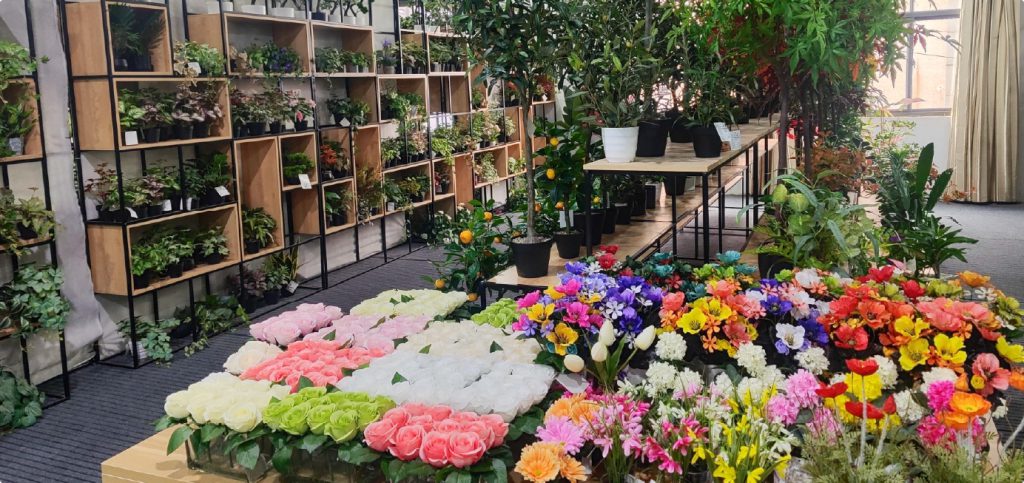
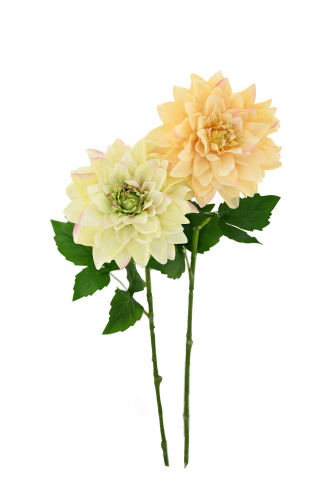
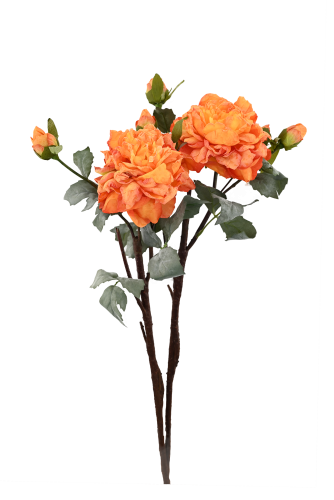
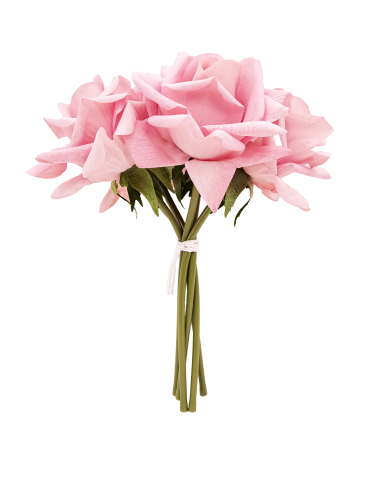
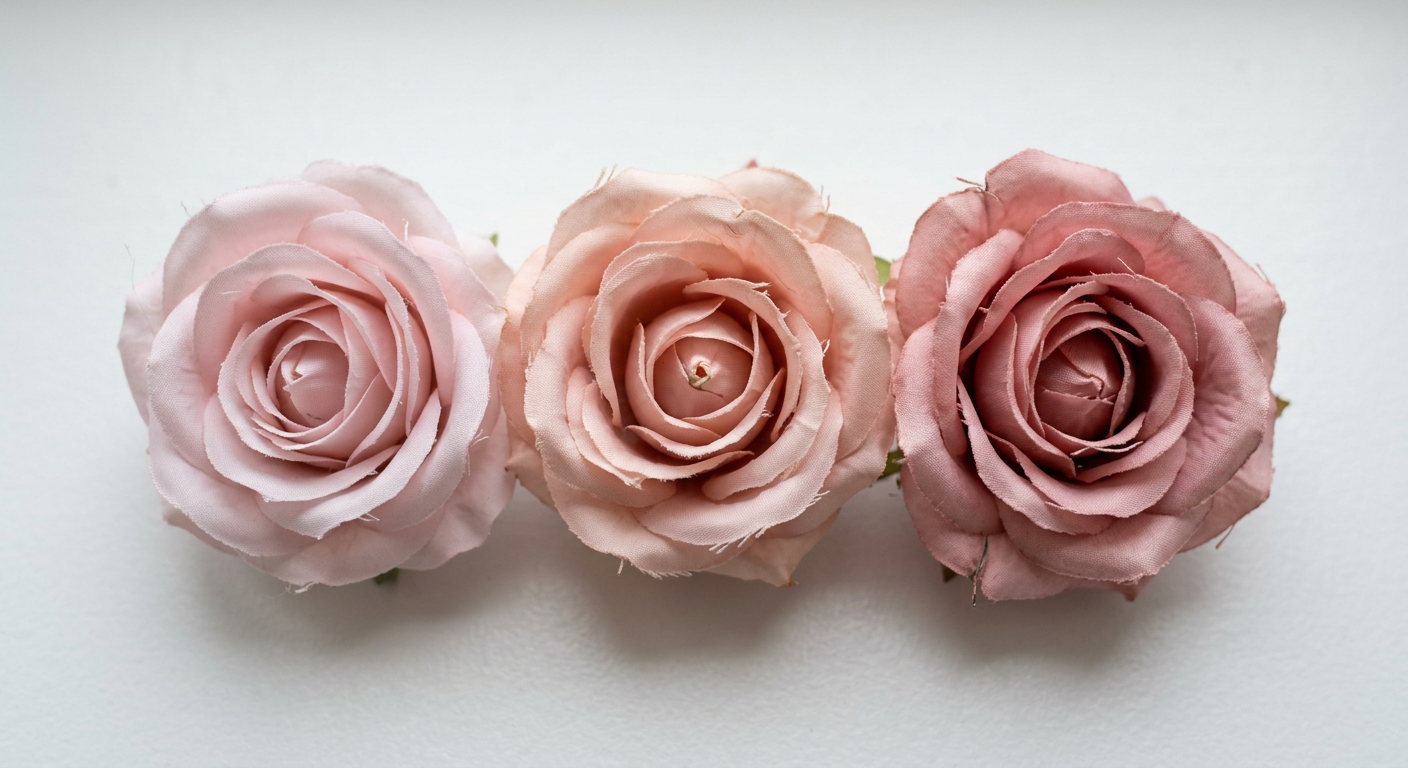
Every batch of silk, PU, or latex petals is dyed in a vat. Vats have variables: dye concentration, water temperature, fabric absorption rate, drying time. Two vats run a week apart from the same recipe can finish at a Delta E of 3 to 6 — that's the color difference where the human eye starts noticing “these blush roses look slightly more peach than those.”
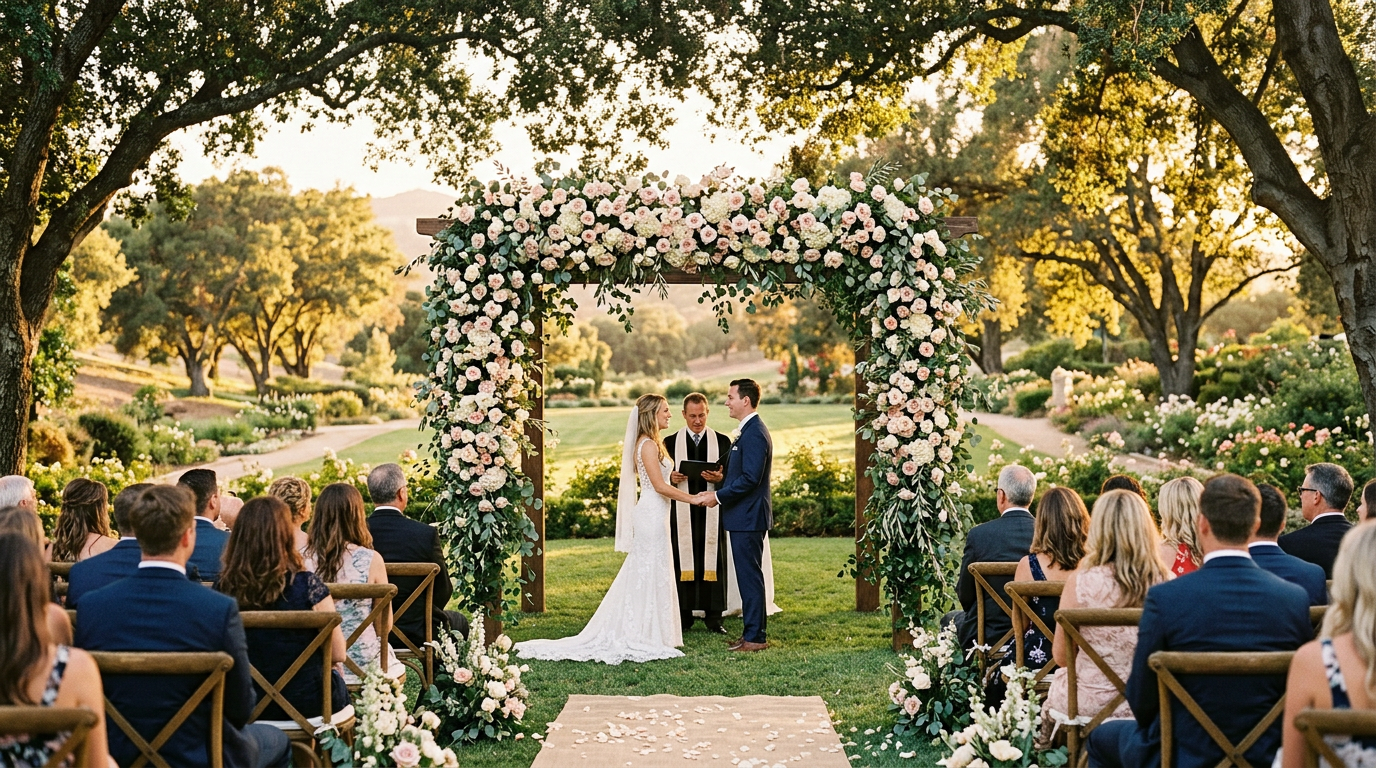
When a supplier fills a 1,000-stem order from three different production runs (because they didn't have inventory), you get three subtly different blush tones intermixed on your sweetheart table. Under tungsten reception lighting it might pass. Under the photographer's daylight-balanced flash at 3pm on the lawn? Every guest sees it.
The fix isn't paying more. It's specifying dye lot consistency in the purchase order before production starts.
Sending a Pinterest screenshot to a factory is how mismatches start. Monitors lie. Phone cameras lie even harder.
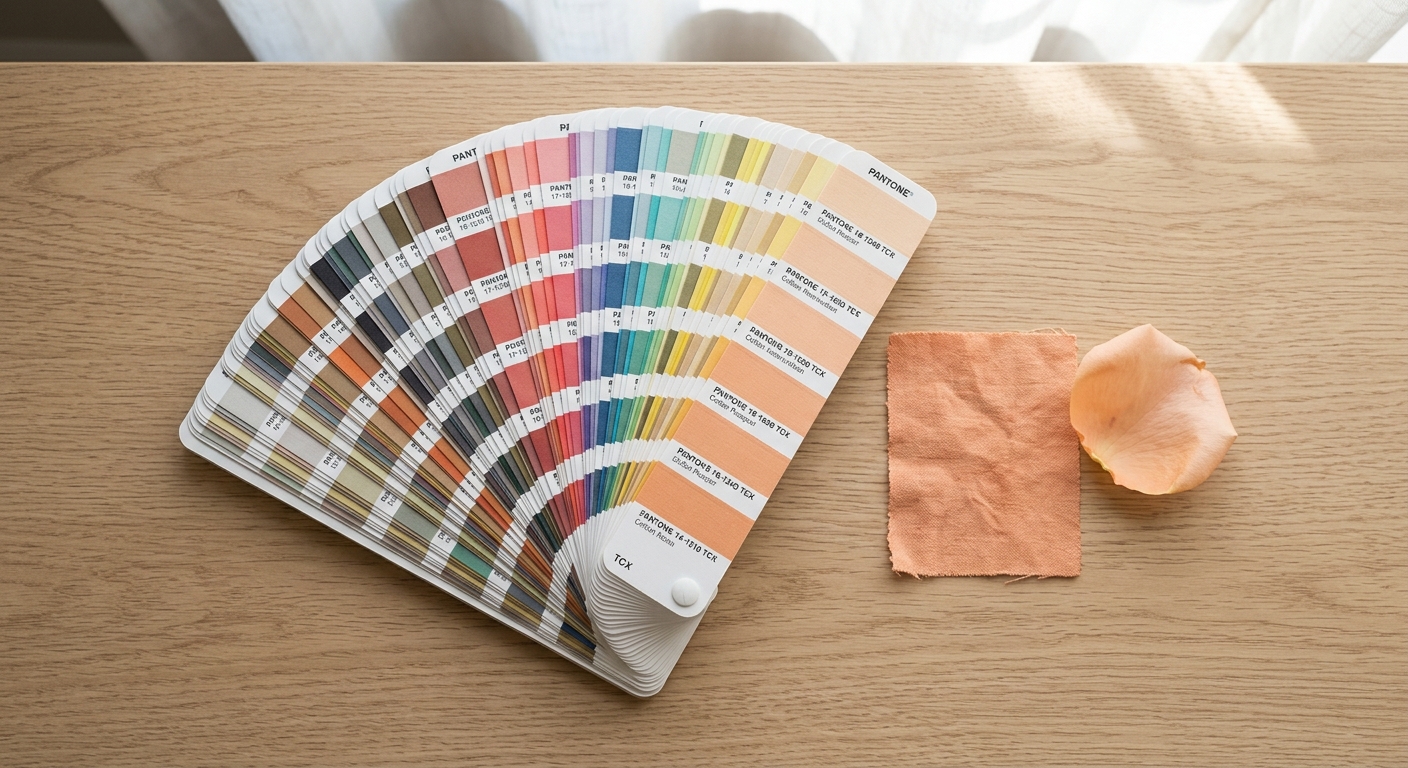
Give your supplier a Pantone TCX code (the textile reference, not the coated paper one). For weddings, the most-requested wedding palette references tend to cluster around Pantone 12-1212 TCX (Pearl Blush), 14-1064 TCX (Saffron), 18-3838 TCX (Ultra Violet), and 19-4052 TCX (Classic Blue). If you don't own a Pantone TCX book, pull the digital library and confirm the code with the bride during palette sign-off.
Your supplier should then mail you a physical lab dip — a small fabric or petal swatch dyed to that code — before any flowers are produced. Approve or reject in daylight, not under your office LEDs. Once approved, that swatch becomes the master reference. Any production batch that doesn't match it gets rejected at QC.
For example, a planner staging a 600-guest summer wedding in Tuscany sent her supplier Pantone 13-1023 TCX (Peach Quartz). She got back three lab dips — one too pink, one too orange, one dead-on. She signed and dated the correct dip, mailed it back, and that swatch traveled with the production order. The 1,400 stems arrived with a measured Delta E of 1.8 against the master.
“Same color” is not a contract term. “Single dye lot, single production run, Delta E ≤ 2 vs. approved master swatch” is.
Your PO should include these five lines:
That last point matters more than planners realize. A stem snaps in shipping or gets crushed during install. If your supplier already binned the leftover dye-lot inventory, your replacement comes from a new batch — and now you have one mismatched rose in the bridal bouquet.
Reputable factory-direct suppliers will agree to all five lines without flinching. Trading platforms reselling stock from multiple factories usually can't, because they don't control the dye process. That's the dividing line. How to choose the right wholesale supplier covers more of these factory-vs-trader signals.
Most planners approve a single sample stem and call it done. That's how you discover at install that the leaf green clashes with the petal blush in a way nobody noticed in a 4×4 photo.
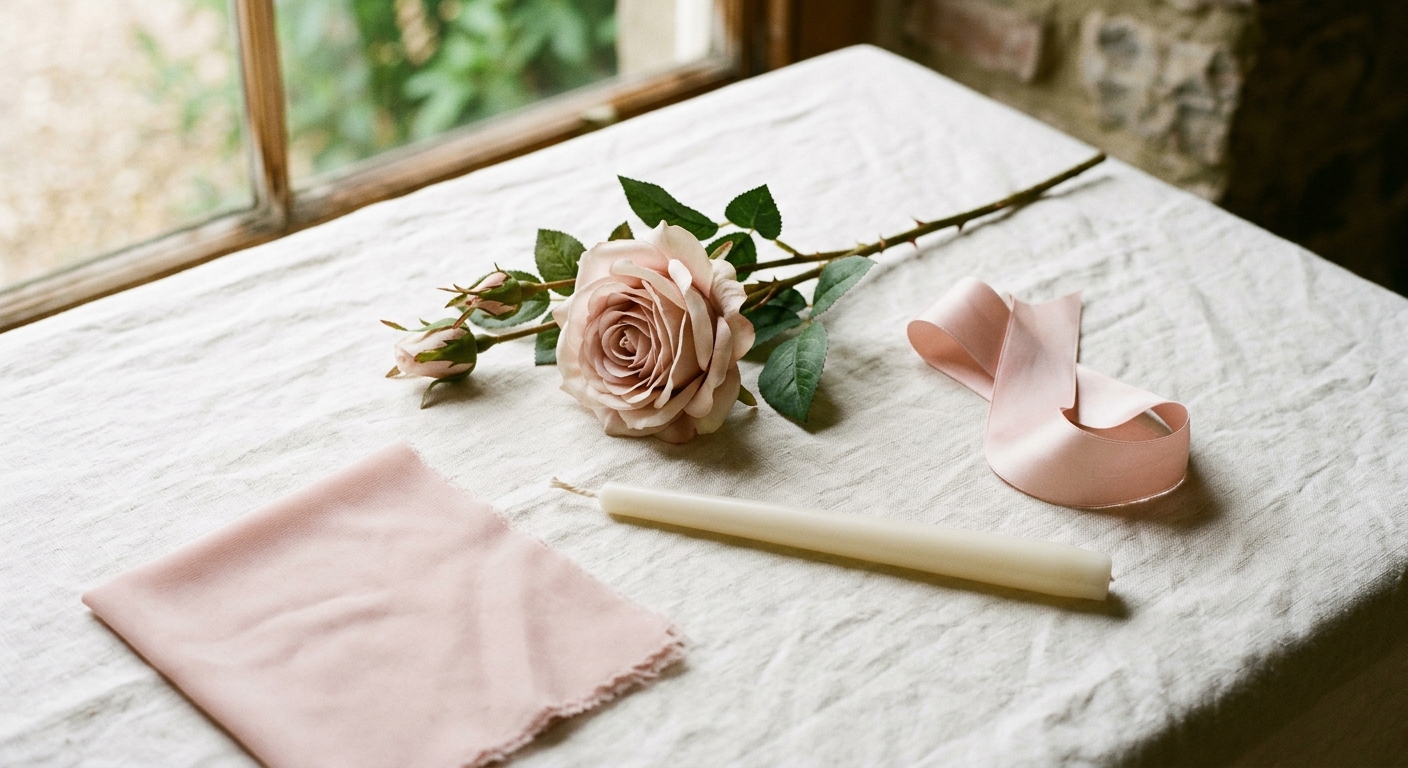
Request a full assembly sample: one finished stem with the actual petals, calyx, leaves, and stem wire your bulk order will use. Then place it next to your other decor elements — table linen, ribbon, candle, bridesmaid dress swatch — in the exact lighting environment of the venue if possible.
Run this checklist:
A good factory will turn around a full assembly sample in 7–10 days. If it takes longer than three weeks, the supplier is probably outsourcing — and your bulk order will move at the same pace. For a deeper dive into what realism actually looks like up close, see our guide on choosing the most realistic faux flowers.
Here's a trap experienced planners still fall into: ordering the same color in two different materials and assuming they'll match. They won't.
Silk absorbs dye differently than PU (polyurethane). Real Touch latex coatings shift the perceived hue by another half-step. Even if all three were dyed to identical Pantone codes, they reflect light differently, and your eye reads the silk as slightly more matte-pink and the PU as slightly more glossy-pink.
Rule of thumb: pick one material family per color story. If your focal arrangements are Real Touch roses, your filler roses should also be Real Touch — not silk “to save budget.” Mix materials across different flower types (Real Touch roses + silk hydrangeas + PU eucalyptus) and the eye accepts the variation as natural. Mix materials within the same flower (Real Touch roses next to silk roses) and it looks wrong, even when guests can't articulate why.
A 1,000-stem order isn't really one order. It's three jobs with different tolerance levels.
Tier 1 — the photo-critical pieces (bridal bouquet, ceremony arch, head table, sweetheart backdrop). These need the tightest color match, premium material, and the highest QC scrutiny. Usually 20–30% of total stems.
Tier 2 — guest table centerpieces. Color match still important, but minor variance between tables is acceptable because guests never see two tables side by side simultaneously. 50–60% of stems.
Tier 3 — back-of-house, cocktail hour filler, restroom posies, vendor meal tables. Standard quality, off-the-shelf colors fine. 10–20% of stems.
Order Tier 1 first, with the strictest dye-lot lock. Approve it, then order Tier 2 from the same dye lot if your timeline allows. Tier 3 can come from stock inventory at a lower price point. Always add a 10% buffer to Tier 1 — held back by the supplier from the same lot — for breakage and last-minute additions.
You're not going to fly to the factory. So the paperwork has to do the inspection for you.
Require these documents before the supplier closes the container:
A planner running a 1,200-stem destination wedding in Mexico used this protocol and caught a 4% off-tone batch before it left port. The supplier replaced those stems from buffer stock at no charge because the QC photo set proved the deviation. Without that paperwork, she'd have discovered the problem on site, three days before the ceremony, with no recourse.
This is also where custom OEM/ODM partnerships earn their keep — factories set up for branded retail production already run this documentation as standard, not as a special request.
Some supplier behaviors reliably forecast a color problem six weeks before it arrives. Watch for these:
The cleanest signal of all: ask the supplier how many dye lots a 1,000-stem order will require. If the answer is “one,” you're talking to a factory. If it's “depends on inventory,” you're talking to a middleman. For weddings, only the first answer is acceptable.
Color consistency requires time. Compressed timelines force compromises.
Here's a realistic backwards schedule for a 1,000-stem order:
That 16-week runway is the floor, not the ceiling. Planners who start at week -8 end up with off-the-shelf stock, mixed dye lots, and the color problems this playbook exists to prevent. If a couple books you at week -10 and wants custom colors, push them toward existing inventory palettes or warn them in writing that color variance is likely.
Color consistency at wedding scale isn't a quality-control problem solved at the loading dock. It's a sourcing decision made at the PO stage. Lock one dye lot, approve one master swatch, demand one QC document set, and hold one buffer batch. Do those four things and the install-day mismatches that haunt wedding planners largely disappear.
If you're scoping a custom palette for an upcoming season — or building a recurring stem inventory for a planning studio that books 30+ weddings a year — talk to our team about dye-lot-locked production runs and approved-swatch workflows. We've shipped color-matched orders to event planners across 40+ countries, and the protocols above are how we keep them coming back. Browse our full stem catalog or explore flower types built for professional displays to start scoping your next project.
 Tips
Tips
 Tips
Tips
 Tips
Tips
 Tips
Tips
 Tips
Tips
 Tips
Tips