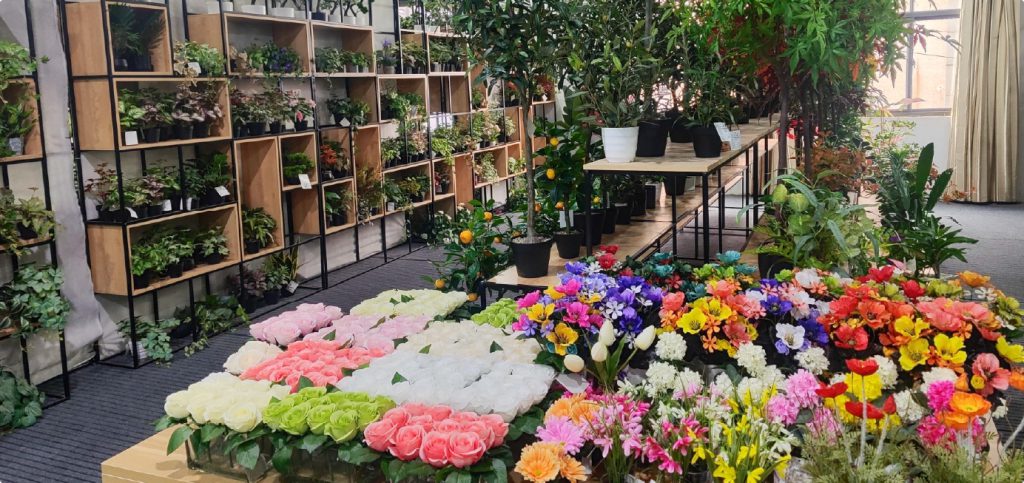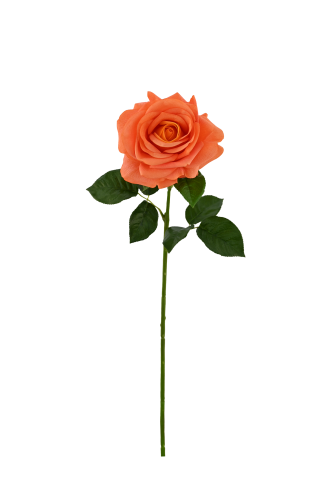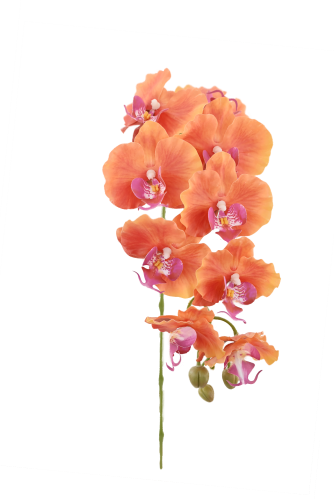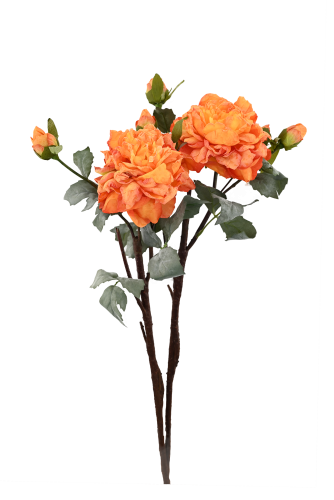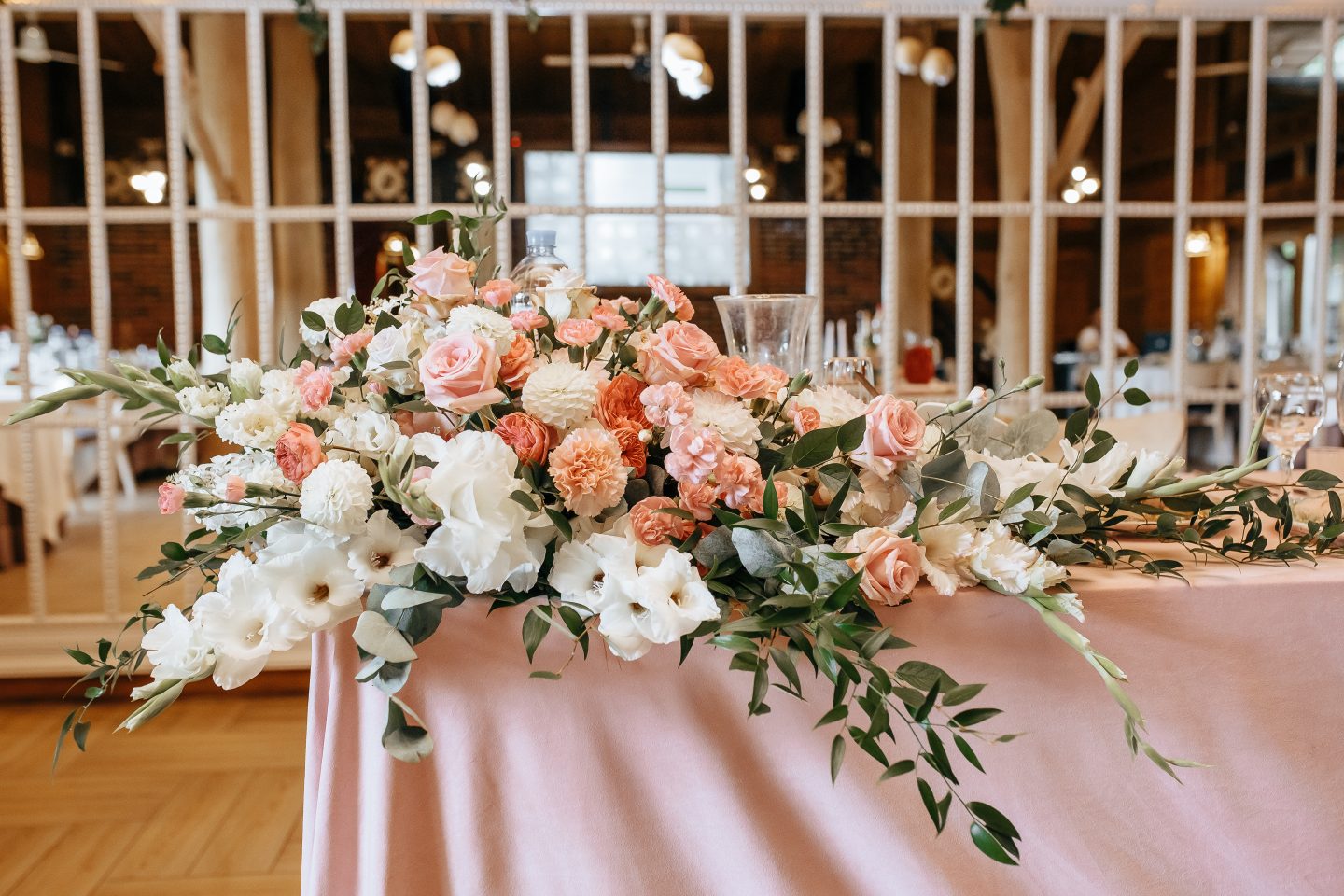
Types of fake flowers vary far beyond simple labels like “silk” or “real-touch.” In professional displays and commercial installations, the right choice depends on material, surface finish, and intended use—because these factors determine realism under lighting, shape retention, and maintenance needs over time.
This guide breaks down the main types of fake flowers in a practical way—so you can select options that stay consistent across displays, travel well, and maintain a clean, realistic look in real-world environments.
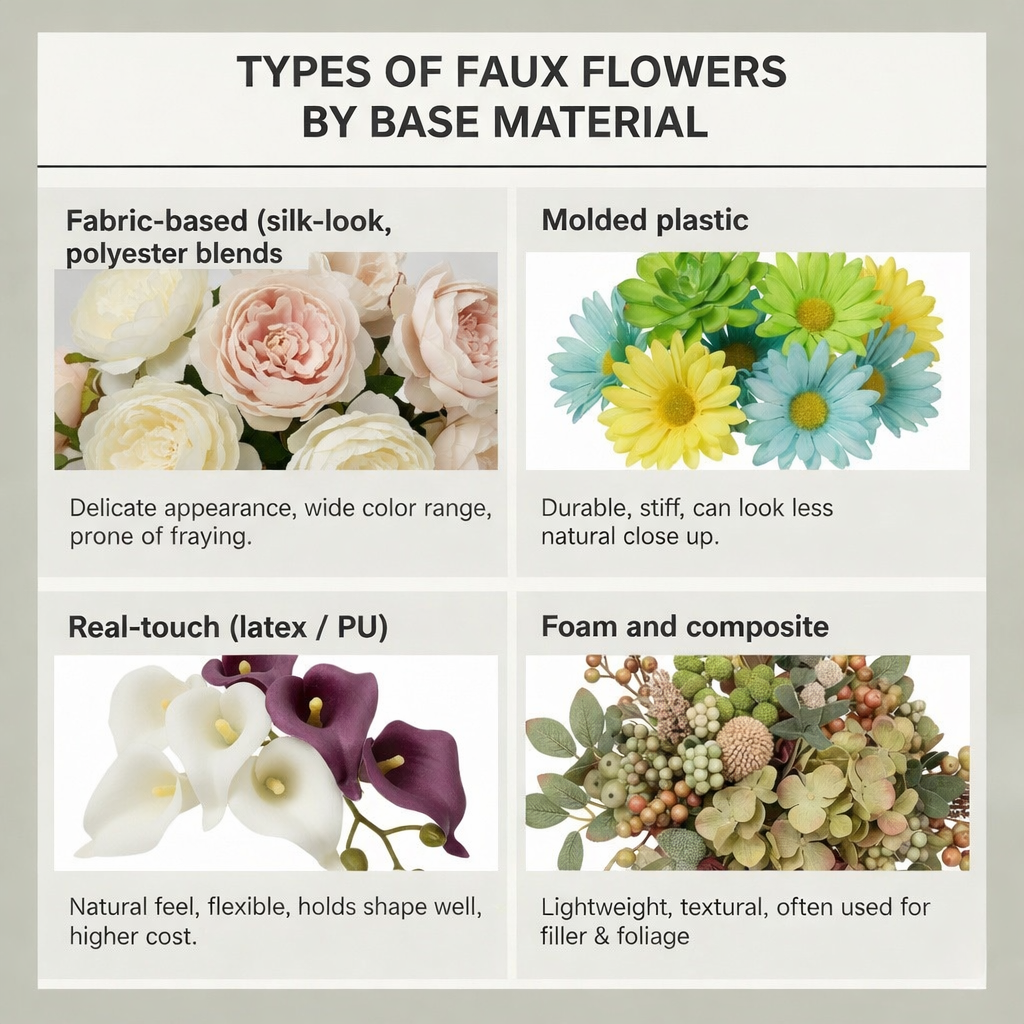
Material is the first decision point because it affects texture, flexibility, color stability, and cleaning risk.
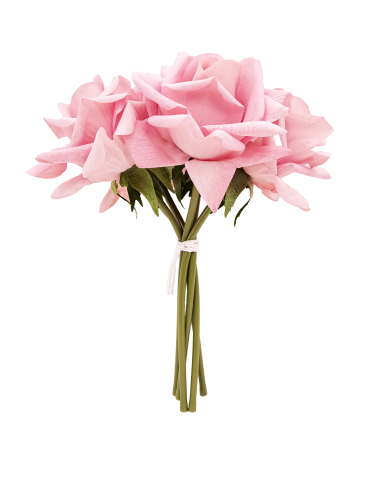
Fabric petals are widely used because they can mimic natural translucency and layered structure. They work especially well in close-up displays where detail matters.
Best for
Watchouts
Plastic flowers are durable, cost-stable, and easier to clean in many cases. Modern molding can still look realistic at mid-range viewing distance, especially with matte finishes and refined petal shapes.
Best for
Watchouts
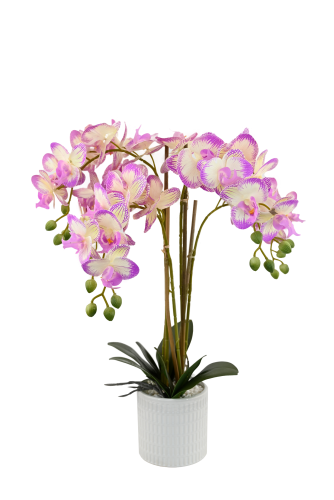
“Real-touch” typically refers to latex or PU-style surface treatment that creates a soft, skin-like feel and more natural matte reflection. These are often chosen for premium close-up use.
Best for
Watchouts
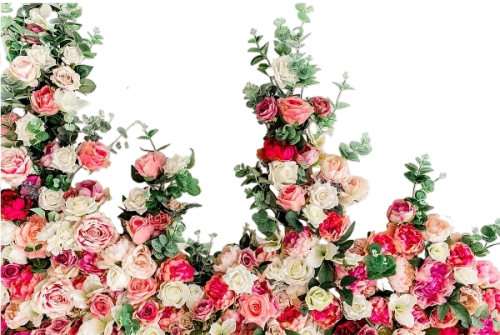
Foam-based petals are lightweight and can hold volume well, which helps when you need large arrangements that stay full during transport and setup.
Best for
Watchouts
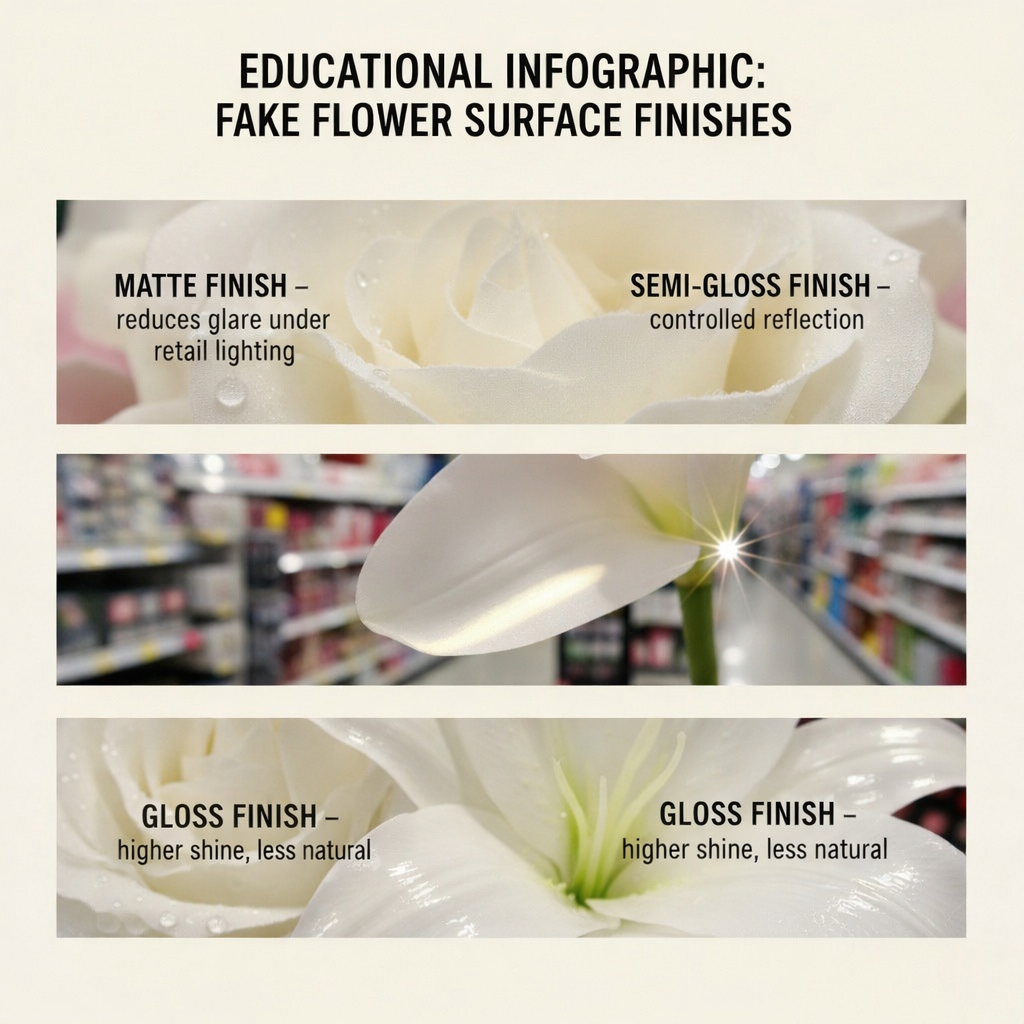
Two flowers made from the same base material can look completely different depending on finish. For professional display work, finish is often the deciding factor.
Matte finishes generally look most realistic under bright commercial lighting because they reduce “plastic shine.” Semi-gloss can work for certain flower types, while full gloss often reads artificial unless intentionally styled.
For programs that require repeat orders, texture repeatability can matter as much as initial realism.
Coatings can improve color depth and realism, but they also change how the flower tolerates cleaning and friction. If you’re planning regular maintenance, choose finishes that won’t haze, peel, or become tacky over time.
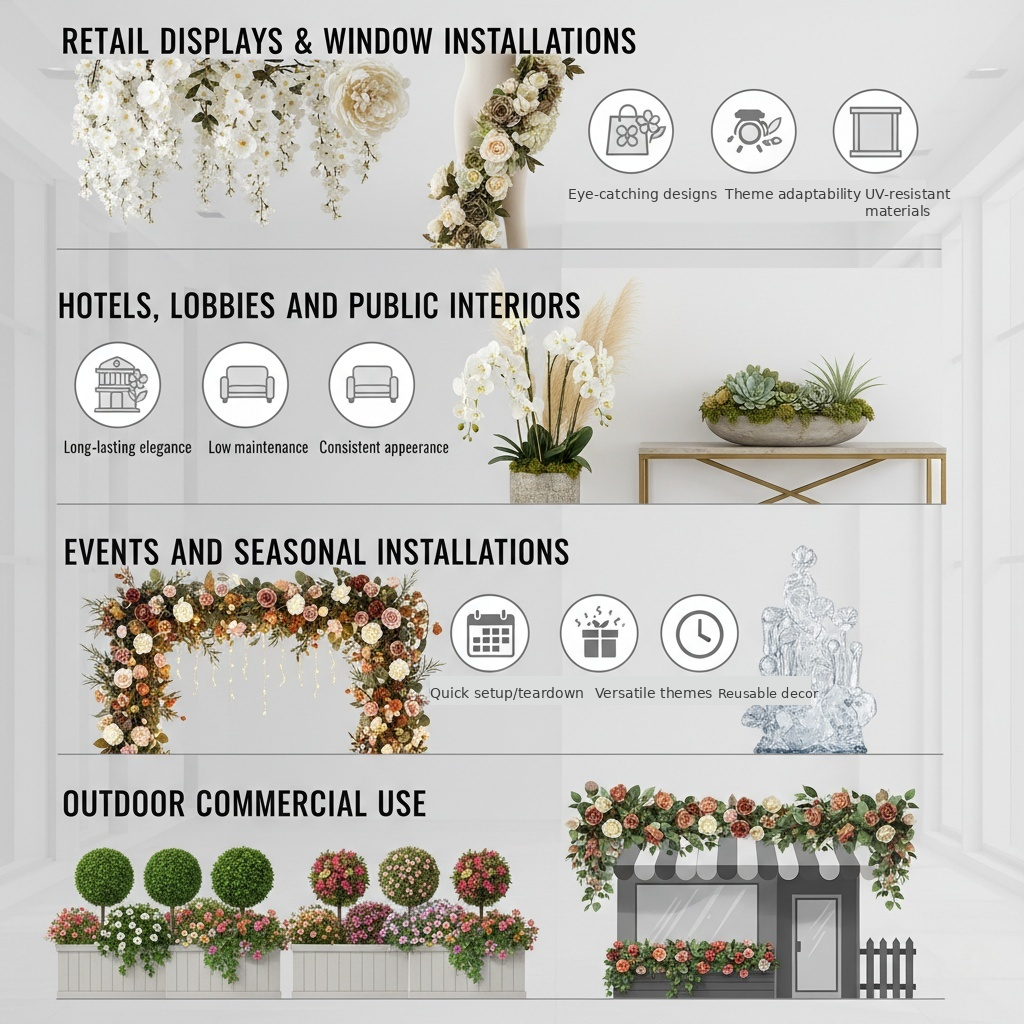
This is where most “types of fake flowers” articles miss the point. In commercial settings, use case drives the right choice.
Retail environments need strong “first impression realism” and consistency across multiple locations.
Priorities
These spaces often require long-lasting visual quality with predictable maintenance.
Priorities
For event setups, logistics and reliability matter as much as appearance.
Priorities
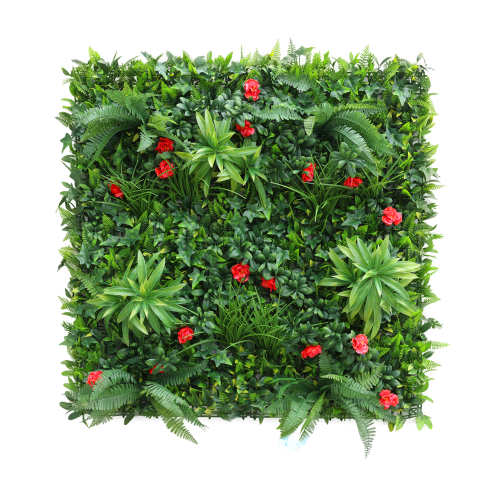
Outdoor use adds contamination and UV exposure, so durability becomes the lead factor.
Priorities
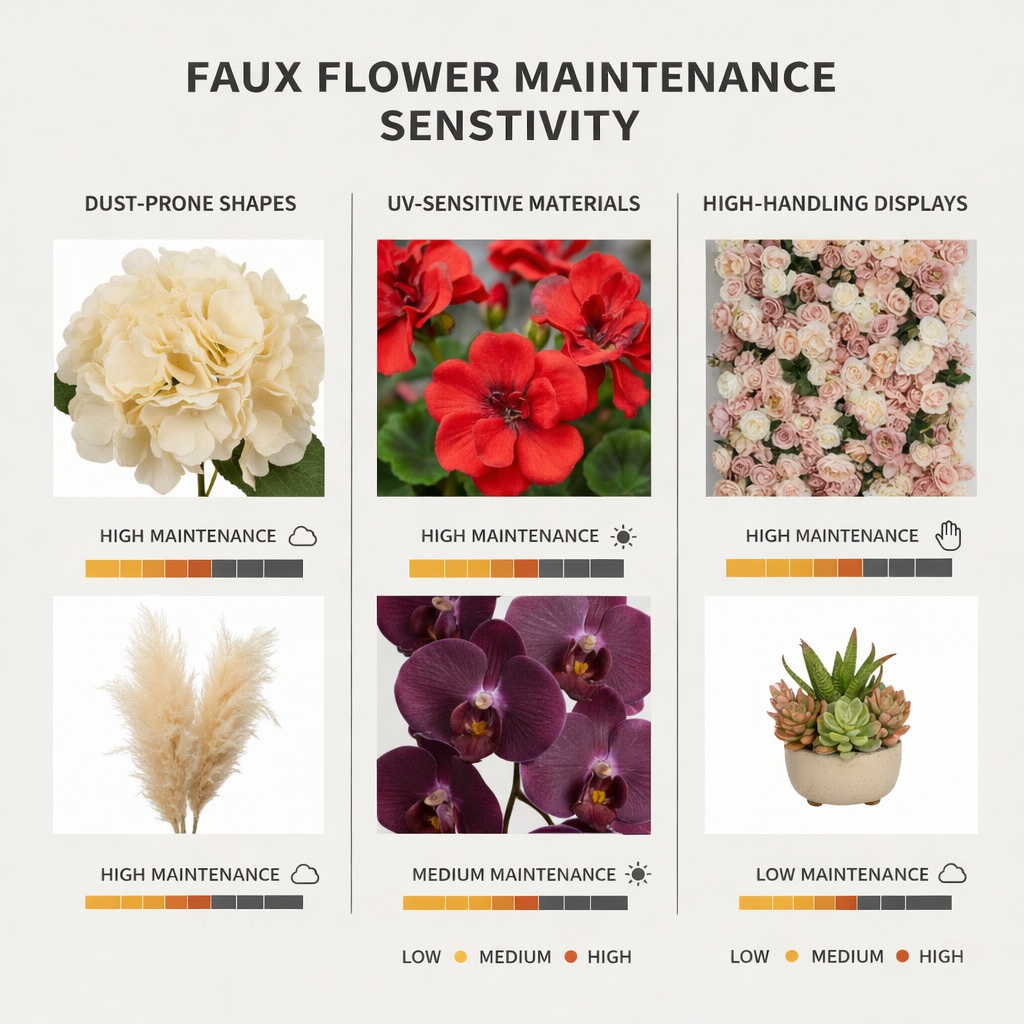
Maintenance isn’t only about “how to clean”—it’s about how often cleaning is needed and how risky it is for the finish.
These look premium but benefit from routine low-contact dust removal.
Outdoor exposure can fade color and change surface appearance. Even indoor installations near strong daylight can see gradual changes over time. If long display cycles are required, UV resistance should be considered early.
If staff frequently reposition items or displays are refreshed weekly, prioritize:
Use this checklist when choosing types of fake flowers for a program:
There are many types of fake flowers, but professional results come from choosing by material, finish, and use case—not just category names. When you align the flower type with lighting, handling, and maintenance reality, displays stay realistic longer, refresh faster, and remain consistent across repeat installations.
 Knowledges
 Knowledges
 Knowledges
 Knowledges
 Knowledges
 Knowledges